







Common Mistakes Truckers Make with Overweight Permits
In commercial trucking, heavyweight compliance entails not only the safe hauling of loads but also the more difficult task of manoeuvring the minefield of overweight permit requirements. Mistakes made in the application for overweight permits may cause delays, fines, and let us not forget regulatory headaches, whether one is an owner/operator, fleet manager, or dispatch specialist. This article will guide one through the pitfalls that truckers have commonly fallen into, and equip them with tangible tools to work with in ensuring compliance and moving freight.
1. Misreporting Weight and Load Dimensions
The most common reason for denying permits is the inaccurate reporting of weights and measurements. Many truckers fail to check their own cargo against legal limits, wrongly assuming that their cargo is within weight limits. But if the overweight permit is based on numbers that are off-Wrong. Gross vehicle weight, axle loads, height, width, and length must all be onsite measured or the figures provided in the backed-up and authorized documents to attain an overweight permit.
Pro Tip: Get the weight and measurements taken at wheeled certified scales and with calibrated tools before the application. Always measure after the load is secure, not before – include measurements of attachments to the equipment like booms or racks, etc.
2. Applying for the Wrong Type of Permit
There are several types of permits that state and local authorities grant: single-trip permits, overweight permits, oversize permits, continuous operation permits, etc. Confusing these categories remains the leading cause of applications being rejected or improperly issued.
To avoid this:
- Find out the actual weight thresholds that give rise to the permit requirement in all jurisdictions.
- Confirm if your haul requires a combined overweight/oversized permit.
- Even when state permits are valid, verify that local (city or county) permit rules are enforced.
3. Failing to Account for Route Restrictions
An approved permit is ineffective if the planned route is not authorized. Weight-restricted bridges, clearance limitations, and seasonal closures can invalidate your permit mid-trip. DOTs provide commercial vehicle route planning maps and bridge clearance tools to prevent violations.
Some practices include:
- Refer to the official DOT route planning maps and bridge clearance tools.
- Do not solely rely on commercial GPS.
- Make sure to check for temporary construction and weather-related restrictions.
4. Ignoring Permit Deadlines and Lead Times
The above are common mistakes of overweight trucking — filing for a permit late. Many carriers procrastinate, banking on prompt issuance of permits. The truth is, state and load peculiarities govern processing times- especially in cases of super loads or for routes that require special reviews.
Rule of Thumb: Put in your application at the earliest possible time-well ahead of time- preferably a few days ahead of the haul for standard permits, earlier for complicated loads.
5. Forgetting to Submit Certain Documentation
The most common reason for their entry into the heavy permit list either for a stoppage or denial is not having the papers necessary. Documents could involve:
- Proof of insurance
- Vehicle registration with VIN
- Weight and dimension affidavits
- Routing approvals
Referencing FMCSA and FHWA permit documentation requirements ensures applications meet federal compliance expectations.
6. Escort Requirements or Pilot Car Necessity Not Coordinated
Pilot Cars escorting oversized or exceptionally heavy loads, need Certified Operators and specific signage. These missing requirements would have implications for compliance, such as fines when a roadside inspection is carried out or being forced to stop.
Make escort plans early and check certification requirements for all applicable states.
7. Tracking Permit Expiration Dates Not Kept
Permits have limited windows of validity and expiry has been an oversight for many truckers, who reiterate, as stated, permit once issued. Doing business with an expired overweight permit constituted a breach on compliance that attracts fines and enforcement action.
Avoid this by tracking permit dates by any method, be it the dispatch calendar or compliance software.
8. Forgetting about Local or Municipal Regulations
Truckers typically assume that an overweight permit issued by the state is good enough. But many times, cities and counties will impose their own independent rules. Failure to get local approvals means they can be stopped and penalized, even when they have state compliance.
Always check between more than one jurisdiction before leaving.
9. Lack of Communication with Authorities and Team
Whether it’s questions regarding fields in a permit application, or alerts of changes to route, communication between parties is essential. The permitting authorities would be best suited in clarifying the ambiguities. And alignment internally would ensure that drivers, dispatchers, and escorts are all aware of the approved route and its restrictions.
10. Failing to Keep Permit on Hand
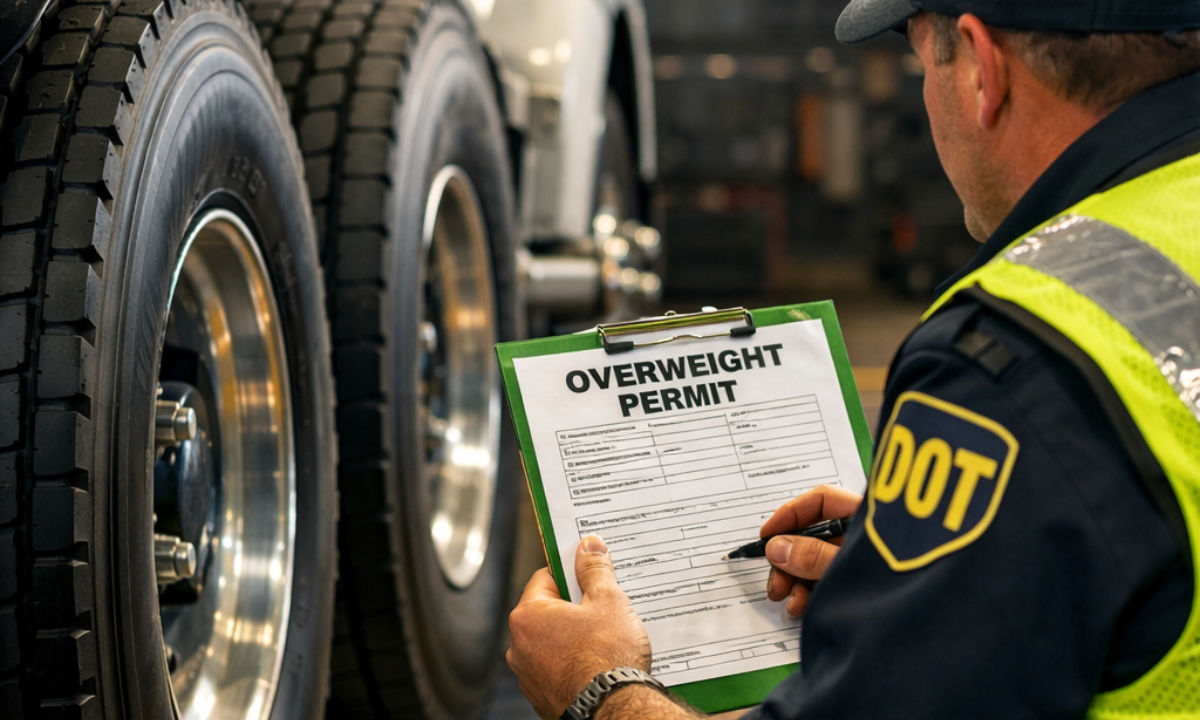
Surprisingly, one further exceedingly common compliance mistake is not having the permit to hand for purposes of transportation. At these weigh stations or roadside checks, officers might call for its production, wherefore not producing would be treated as an offense equally with non-compliance.
Best Practice: Have both printed and soft copies kept within the vehicle; indices included along with any other commercial vehicle drawer files.
Final Thoughts
Overweight permit compliance is a blend of precision, planning, and proactive communication. Avoiding these common mistakes not only prevents fines and delays but also fosters safer, smoother trucking operations. The next time you’re preparing an overweight trucking permit application, remember: measure accurately, plan smartly, and verify thoroughly.