






Interstate 26 (I-26) Road Conditions Guide
The Interstate Highway I-26 road conditions guide provides drivers, commuters, and trucking professionals with essential travel information, traffic updates, and roadway safety insights for one of the major transportation corridors in the southeastern United States. Running through Tennessee, North Carolina, and South Carolina, I-26 connects important cities including Asheville, Johnson City, Spartanburg, Columbia, and Charleston, making it a critical route for freight transportation, tourism, regional commerce, and interstate travel. Drivers navigating southeastern freight corridors often monitor I-24 road conditions to improve long-distance route planning and avoid congestion-related delays.
The Importance of Interstate 26 Highway
The Interstate 26 corridor serves as an important transportation route connecting inland manufacturing regions and Appalachian mountain communities with coastal South Carolina ports and distribution hubs. The highway supports high volumes of commercial trucking, passenger traffic, tourism, and supply chain logistics throughout the Southeast. I-26 also connects with major interstate systems including I-40, I-77, I-81, I-85, and I-95, making it a vital route for freight movement and interstate commerce. Trucking companies operating across southern freight networks frequently evaluate I-20 road conditions when coordinating regional delivery operations and shipment schedules.
Current Road Conditions and Traffic Patterns on I-26
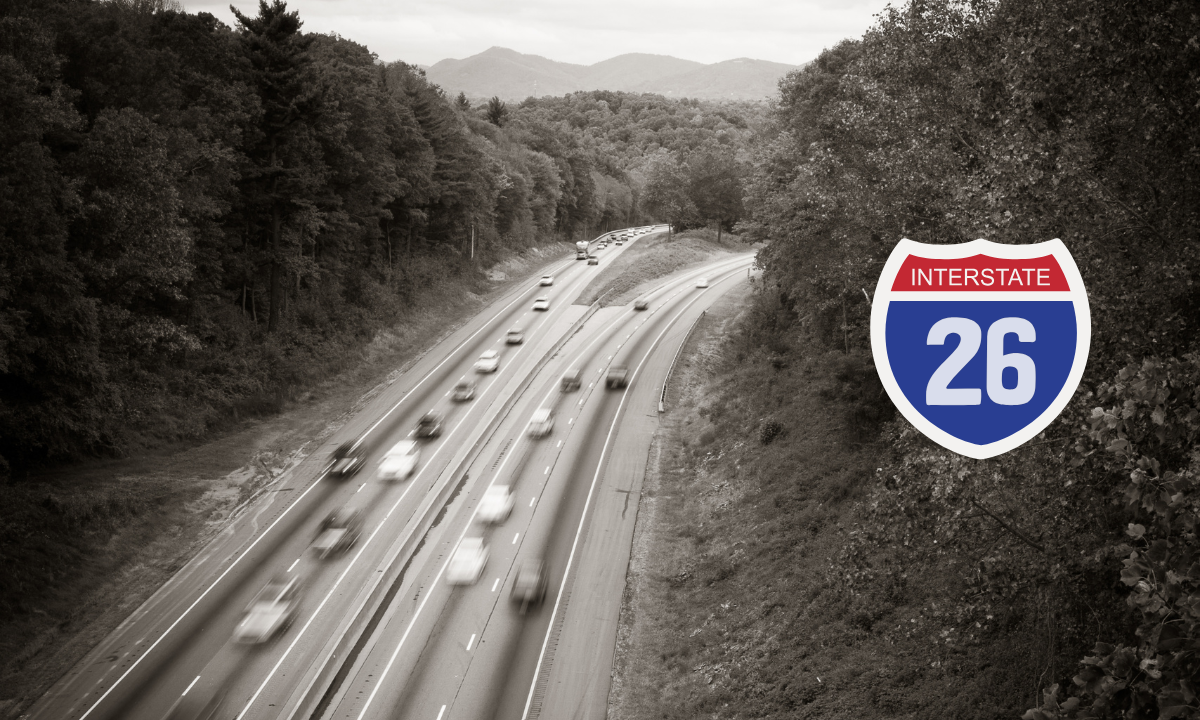
Traffic conditions on I-26 vary depending on location, tourism activity, weather conditions, and freight movement, with heavier congestion commonly occurring near Asheville, Spartanburg, Columbia, and Charleston. Drivers may experience traffic slowdowns, accident-related delays, lane restrictions, merging traffic, and construction congestion during rush hours and holiday travel periods. Mountain sections near North Carolina and Tennessee may also experience reduced traffic flow due to steep grades and weather-related hazards. Drivers traveling between southeastern freight routes often compare I-22 road conditions when planning alternate trucking corridors.
Construction Zones and Infrastructure Projects
Transportation departments across Tennessee, North Carolina, and South Carolina regularly conduct road maintenance, bridge upgrades, interchange improvements, resurfacing projects, and lane expansion work along I-26 to improve roadway safety and traffic efficiency. Construction activity may create temporary lane closures, reduced speed limits, detours, and shifting traffic patterns, especially near urban centers and mountain corridors. Drivers should remain alert while traveling through active work zones and allow additional travel time during major infrastructure projects. Freight operators coordinating western and southeastern routes may also track I-25 road conditions during logistics planning.
Weather Conditions Affecting I-26 Travel
Weather conditions along I-26 can vary significantly due to elevation changes and regional climate differences across the Southeast. Drivers may encounter heavy rain, thunderstorms, dense fog, flooding, strong winds, and occasional winter snow or ice in mountainous areas near Tennessee and North Carolina. Coastal South Carolina sections may also experience tropical storms and hurricane-related weather impacts during hurricane season. These changing conditions can quickly affect roadway safety and visibility. Long-distance drivers managing cross-regional routes sometimes monitor I-17 road conditions during severe weather disruptions.
Trucking Traffic and Freight Movement on I-26
The Interstate 26 corridor plays an important role in commercial trucking, freight transportation, manufacturing logistics, and port-related shipping operations throughout the Southeast. Thousands of trucks travel I-26 daily transporting consumer goods, retail products, industrial equipment, automotive parts, and shipping containers between inland distribution centers and coastal port facilities. Drivers should expect heavy truck traffic, merging freight vehicles, weigh station activity, and increased congestion near industrial zones and metropolitan areas. Carriers operating across multiple southern routes often compare I-16 road conditions to improve freight efficiency and delivery reliability.
Fuel Stops, Rest Areas, and Driver Services
I-26 provides access to numerous truck stops, fuel stations, convenience stores, repair facilities, rest areas, and food services throughout the interstate corridor, especially near major cities and highway interchanges. However, some rural and mountainous stretches may have fewer available services, requiring drivers to carefully plan fuel stops and rest breaks during long-distance travel. Trucking professionals should also comply with Hours of Service (HOS) regulations to maintain safe and efficient operations. Drivers traveling across southwestern freight systems occasionally review I-19 road conditions when coordinating extended transportation routes.
Safety Tips for Driving on I-26
Driving safely on I-26 requires awareness of mountain driving conditions, changing weather patterns, freight traffic, and construction activity throughout the interstate corridor. Drivers should maintain safe following distances, monitor blind spots carefully, avoid distracted driving, and use navigation tools such as Google Maps and Waze for live traffic updates and alternate route suggestions. Extra caution is especially important during heavy rainfall, fog, mountain travel, nighttime driving, and active construction zones where traffic conditions can change rapidly. Truck drivers coordinating long-haul operations sometimes monitor I-15 road conditions to support broader route management strategies.
Best Times to Travel on I-26
The best times to travel on I-26 are generally during early morning hours, late evenings, and mid-week periods when traffic congestion is lighter and roadway conditions are more predictable. Heavy congestion commonly develops during rush hours near Charleston, Columbia, Asheville, and Spartanburg, as well as during weekends and peak tourism seasons. Traveling during off-peak hours can reduce delays, improve fuel efficiency, and create a smoother driving experience. Regional freight carriers may also compare schedules with I-14 road conditions when optimizing transportation operations across connected interstate systems.
Impact of I-26 Road Conditions on Trucking Businesses
I-26 road conditions directly affect trucking operations, freight delivery schedules, transportation costs, and logistics efficiency throughout the southeastern transportation network. Traffic congestion, severe weather, construction activity, and accident-related delays can increase operational expenses and reduce shipment reliability for carriers and logistics providers. Companies that use real-time GPS tracking, route optimization systems, and traffic monitoring tools can better manage freight movement, reduce empty miles, and improve overall fleet productivity. Businesses operating across interconnected southern corridors frequently review I-24 road conditions and I-20 road conditions to support efficient delivery planning.
Final Takeaway
The Interstate 26 highway remains an important transportation corridor for regional travel, commercial trucking, freight movement, tourism, and interstate commerce across the southeastern United States. Drivers should remain prepared for traffic congestion, mountain weather conditions, construction zones, and heavy truck traffic throughout the route. By using proper trip planning, defensive driving strategies, and real-time road condition updates, travelers and trucking professionals can ensure a safer, smoother, and more efficient journey on I-26. Long-distance carriers operating across multiple freight systems may also benefit from monitoring I-22 road conditions and I-25 road conditions for broader logistics coordination.