








How to Pass a DOT Physical Exam on Your First Attempt
Your passing your Department of Transportation (DOT) physical is not something to take lightly. It is in fact your ticket to staying on the road. While most consider the examination tough, most “failures” actually just amount to delays from things such as missing paperwork or temporary elevation in blood pressure.
Armed with the right guidelines, you can strut into the clinic prepared and come out gliding happy with your medical card in hand.
1.The 24-Hour Rule: Controlling the Variables
A high reading in blood pressure (hypertension) becomes the most common reason for drivers failing their examinations. Even if you don’t have chronic hypertension, “white coat syndrome” or bad choices on the morning of the examination will spike your reading.
- Avoid Stimulants: If possible, try not to drink coffee, energy drinks, or use nicotine fors atleast a period of 24 hours prior to the DOT exam. These will be guaranteed to raise heart rates and blood pressure.
- Watch the Sodium: Maintaining a sodium-free diet for 48 hours before the appointment will have huge benefits. This includes avoiding salty snacks, fast foods, and processed meats (i.e. bacon and deli meat). These foods are notoriously salty, increasing water retention and pressure levels.
- Hydrate with Water: Drink heavily to hydrate the kidneys so as to offer a clearer analysis on the assessment of blood pressure and on the urinalysis.
2.Bring Your “Medical Toolkit”
A Medical Examiner (CME) cannot certify you if a required document is missing from your lot. Bring any of the following items used consistently to an appointment:
- Vision & Hearing: You must bring the apparatus (glasses, contacts, hearing aids) that will help you see at least 20/40 from either one of your eyes or hear a “forced whisper” five feet away.
- Medication List: Please come with the complete address of the physician and full listing of all medications prescribed, with their dosage.
- CPAP Data: Appropriately if you have been diagnosed with sleep apnea, and are using CPAP therapy for at least thirty days, provide a compliance report on the consistent use.
- Specialist Clearances: For people with a history of heart issues (stents, pacemaker), diabetes, or seizures, it is paramount to bring in a clearance letter from their specialist, stating he or she is fit to operate a commercial vehicle.
3.Manage the Morning of the Exam
- Don’t skip your meds: Take your blood pressure and diabetes medications on the morning of the test, as prescribed.
- Eat a light meal: This will prevent your sugar from crashing or from spiking up your urine sugar levels. Quite a healthy breakfast would be oatmeal or eggs; avoid sugar cereals or donuts.
- Get There Early: Rushing into the clinic while occupied with being late will send your heart racing. Get there 15 minutes ahead to sit calmly and relax.
4.Honesty is Still the Best Policy
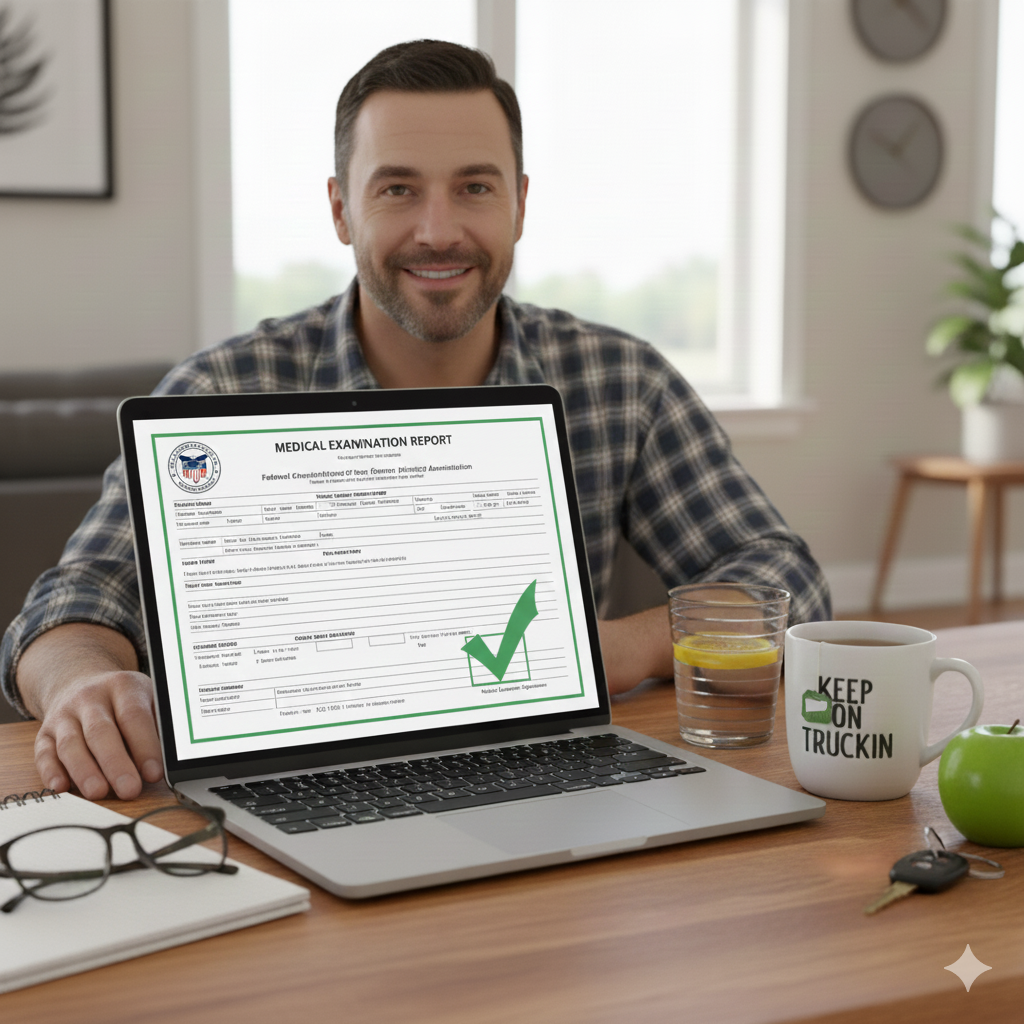
On the Medical Examination Report (Form MCSA-5875), you must provide your medical history and be honest. If the examiner observes any contrary health issues, it will, most probably, lead to a permanent disqualification or even legal trouble. The CME is out there to ensure that you drive safely and not to find out reasons to fire you.
Pro Tip: If your blood pressure is high when you first sit down, ask the examiner if you can take a few minutes to practice deep breathing and try the reading again at the end of the appointment.