




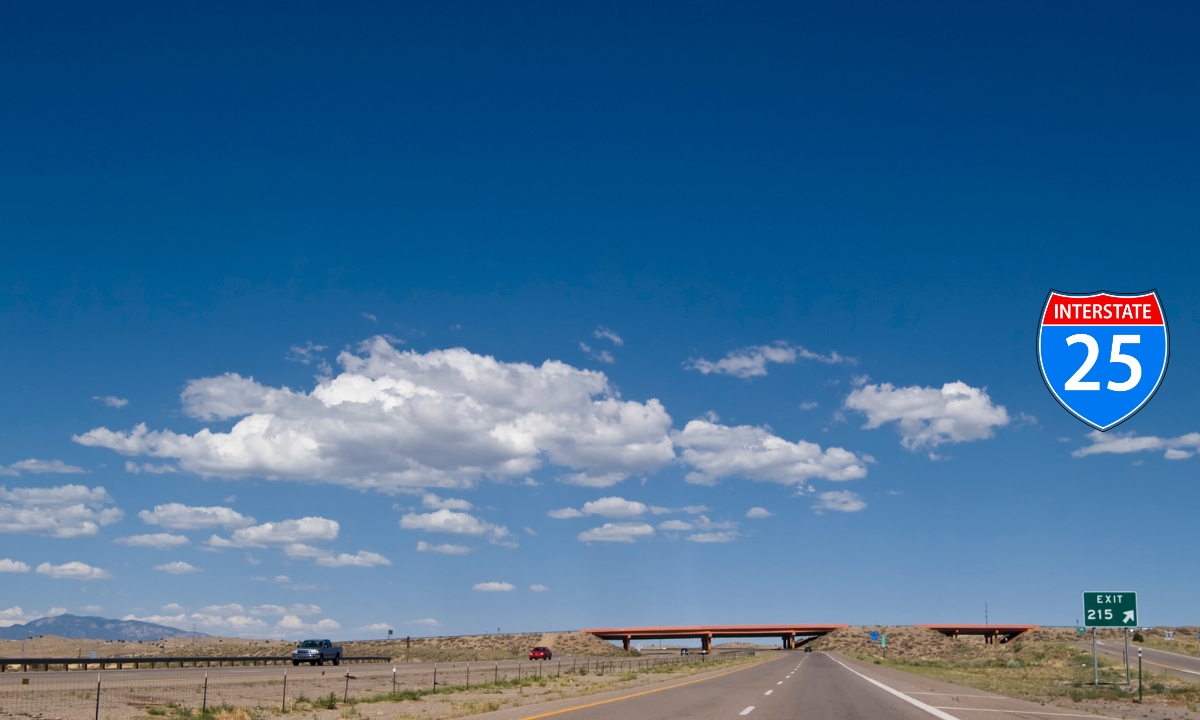
Interstate 25 (I-25) Road Conditions Guide
The Interstate Highway I-25 road conditions guide provides drivers, commuters, and trucking professionals with essential travel information, traffic updates, and roadway safety insights for one of the most important north-south transportation corridors in the western United States. Stretching from New Mexico through Colorado and Wyoming to Montana, I-25 connects major cities including Albuquerque, Santa Fe, Denver, Colorado Springs, Cheyenne, and Casper, making it a vital route for freight transportation, interstate commerce, tourism, and regional travel. Drivers planning long western trips often compare nearby freight routes such as I-22 road conditions when evaluating alternate trucking corridors and regional delivery timelines.
The Importance of Interstate 25 Highway
The Interstate 25 corridor serves as a major transportation backbone throughout the Rocky Mountain region, supporting large volumes of commercial trucking, freight logistics, passenger travel, and regional economic activity. The interstate links industrial centers, distribution hubs, energy-producing regions, and metropolitan markets across multiple western states while also connecting with major highways including I-10, I-40, I-70, I-80, and I-90. Long-haul truck operators traveling through the Southwest frequently monitor I-17 road conditions and I-20 road conditions to coordinate delivery schedules and reduce congestion-related delays across connected interstate networks.
Current Road Conditions and Traffic Patterns on I-25
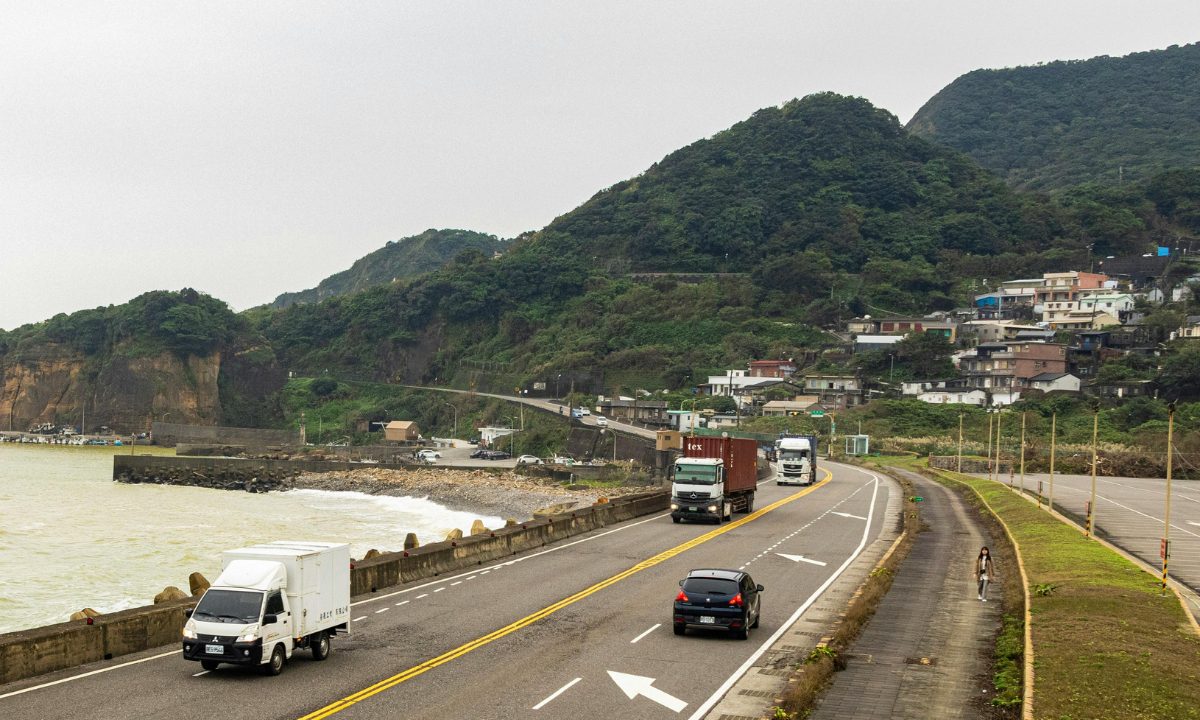
Traffic conditions on I-25 can vary significantly depending on location, weather, tourism demand, and freight activity, with the heaviest congestion commonly occurring near Denver, Colorado Springs, Albuquerque, and Santa Fe. Drivers frequently encounter traffic slowdowns, stop-and-go congestion, accident-related delays, lane restrictions, and merging traffic during rush hours and severe weather events. Urban sections often experience dense commuter traffic and heavy commercial vehicle movement, while rural stretches may provide smoother travel conditions. Travelers heading toward southeastern freight routes sometimes monitor I-24 road conditions to better manage interstate travel across multiple regions.
Construction Zones and Infrastructure Projects
Transportation agencies across New Mexico, Colorado, and Wyoming regularly manage road maintenance, bridge repairs, lane expansion projects, resurfacing work, and interchange upgrades along I-25 to improve roadway safety and traffic capacity. Construction activity may result in temporary lane closures, reduced speed zones, detours, and shifting traffic patterns, particularly near urban centers and mountain corridors. Drivers traveling through active work zones should remain alert and prepare for sudden traffic slowdowns. Commercial carriers moving freight across southern freight systems also review I-14 road conditions during route optimization planning.
Weather Conditions Affecting I-25 Travel
Weather conditions along I-25 can change rapidly due to elevation differences and regional climate variations throughout the Rocky Mountain region. Drivers may encounter snowstorms, icy roads, dense fog, strong winds, thunderstorms, hail, and severe winter weather, especially in Colorado and Wyoming mountain areas. During summer months, heavy rain and severe thunderstorms can create flash flooding and dangerous visibility conditions. Drivers transporting freight between western and southern states may also follow I-19 road conditions when planning alternative logistics routes during adverse weather situations.
Trucking Traffic and Freight Movement on I-25
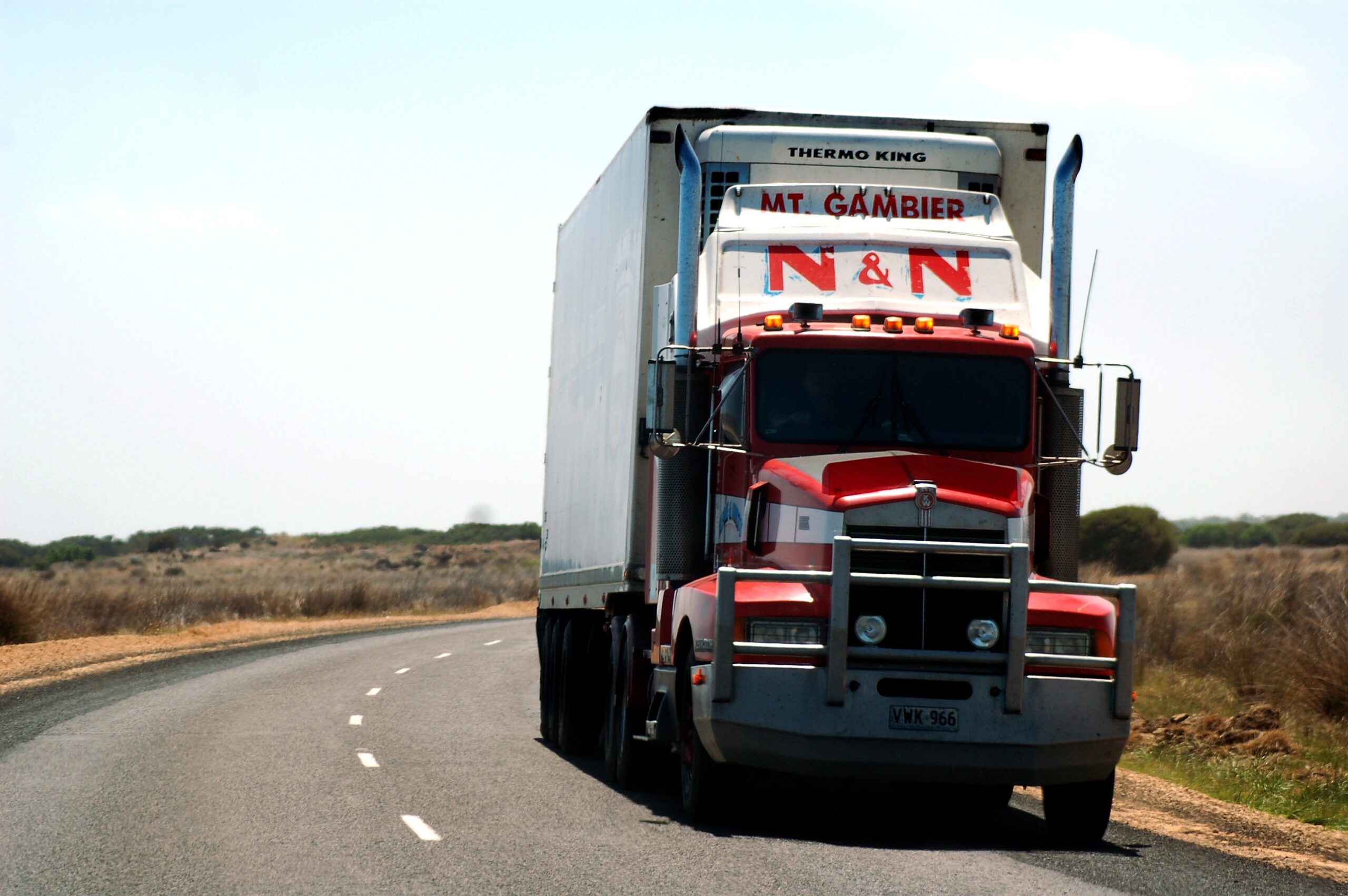
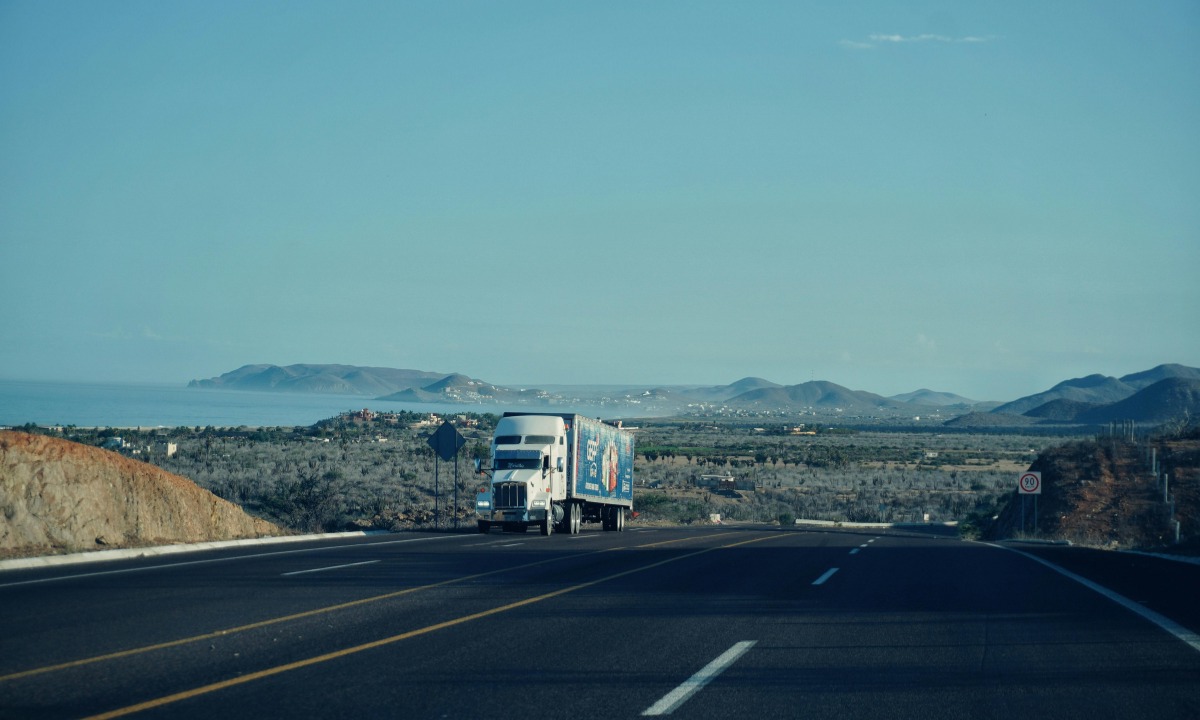
The Interstate 25 corridor is heavily utilized for commercial trucking, freight transportation, energy-sector logistics, and interstate supply chain operations throughout the western United States. Thousands of trucks travel I-25 daily transporting consumer goods, industrial materials, energy equipment, agricultural products, and retail shipments between distribution centers and national freight networks. Drivers should expect heavy truck traffic, steep mountain grades, weigh station activity, and increased congestion near industrial zones. Regional freight operators often compare traffic flow with nearby corridors such as I-16 road conditions to improve delivery efficiency and reduce downtime.
Fuel Stops, Rest Areas, and Driver Services
I-25 provides access to numerous truck stops, fuel stations, service plazas, repair facilities, rest areas, convenience stores, and dining locations throughout the corridor, particularly near larger cities and major freight hubs. Some rural and mountainous stretches may have limited service availability, making careful fuel and rest planning essential for long-distance drivers. Trucking professionals should also comply with Hours of Service (HOS) regulations and schedule proper rest periods to maintain roadway safety. Drivers operating coast-to-coast routes occasionally monitor I-15 road conditions for broader western travel coordination.
Safety Tips for Driving on I-25
Driving safely on I-25 requires awareness of mountain driving conditions, severe weather, freight traffic, and construction activity throughout the interstate corridor. Drivers should maintain safe following distances, monitor blind spots carefully, avoid distracted driving, and use navigation tools such as Google Maps and Waze for real-time traffic updates and alternate route planning. Extra caution is especially important during snowstorms, icy conditions, steep grades, strong crosswinds, and nighttime travel. Drivers connecting with southern freight corridors may also monitor I-20 road conditions during long-haul transportation planning.
Best Times to Travel on I-25
The best times to travel on I-25 are generally during early morning hours, late evenings, and mid-week periods, when traffic congestion is lighter and roadway conditions are more predictable. Heavy congestion frequently develops during rush hours near Denver, Albuquerque, and Colorado Springs, as well as during weekends and winter holiday travel periods. Traveling during off-peak hours can reduce delays, improve fuel efficiency, and create a smoother overall driving experience. Truck drivers coordinating interstate deliveries sometimes compare schedules with I-22 road conditions to optimize travel across connected regional freight corridors.
Impact of I-25 Road Conditions on Trucking Businesses
I-25 road conditions directly affect trucking operations, freight delivery schedules, transportation costs, and logistics efficiency throughout the western transportation network. Traffic congestion, mountain weather conditions, construction zones, and accident-related delays can increase fuel expenses and reduce operational productivity for carriers and logistics companies. Businesses that utilize real-time GPS tracking, route optimization systems, and live traffic monitoring tools can better manage freight movement, reduce empty miles, and improve overall fleet performance. Freight operators working across southeastern and western markets may also evaluate I-24 road conditions to improve route flexibility and reduce shipment delays.
Final Takeaway
The Interstate 25 highway remains one of the most important transportation corridors for regional travel, commercial trucking, interstate freight movement, and economic activity across the western United States. Drivers should remain prepared for traffic congestion, mountain weather conditions, construction activity, and heavy truck traffic throughout the route. By using proper trip planning, defensive driving strategies, and real-time road condition updates, travelers and trucking professionals can ensure a safer, smoother, and more efficient journey on I-25. Long-distance carriers operating across multiple interstate systems often review I-17 road conditions and I-19 road conditions to support broader route-planning decisions.