



What is the company’s policy on driving in bad weather?
Driving Policy in Adverse Weather
A trucking company implements strict safety policies to guide the drivers under any adverse weather conditions, therefore reducing accidents, protecting the drivers, guarding cargo, and ensuring FMCSA compliance. The company’s policies on “bad weather” cover snow, ice, fog, heavy rain, high wind, and flooding, while clearly detailing expectations in regard to continuing, slowing, or stopping driving.
Safety First
All bad weather driving policy sections stress safety over dispatch times. Drivers must:
- Be well under posted speed limits.
- Maintain a greater distance behind other vehicles.
- Never brake suddenly or swerve into other lanes.
- Utilize any combination of headlights, fog lights, or hazard lights to ensure visibility, both for themselves and others.
Companies say that the deadlines for cargo are never more important than that for driver safety, and this completes the culture of safety maintaining that no operations supersede driver safety.
Power to Stop Driving
Another critical area of the bad weather policy concerns giving drivers full power to cease operations when they feel it unsafe. The driver should stop in a safe area if he/she finds:
- Whiteouts or blizzards with little visibility.
- Black ice or ice severely affecting traction.
- High winds causing serious control problems with the tractor-trailer.
- Flooded or washed-out roads.
When a company encourages this type of decision by a driver, it signals that the company is indeed serious about safety in realizing that truly safe drivers will always act this way, and about supporting its employees from profit-driven pressure.
Vehicle Preparations That Must Be Carried Out
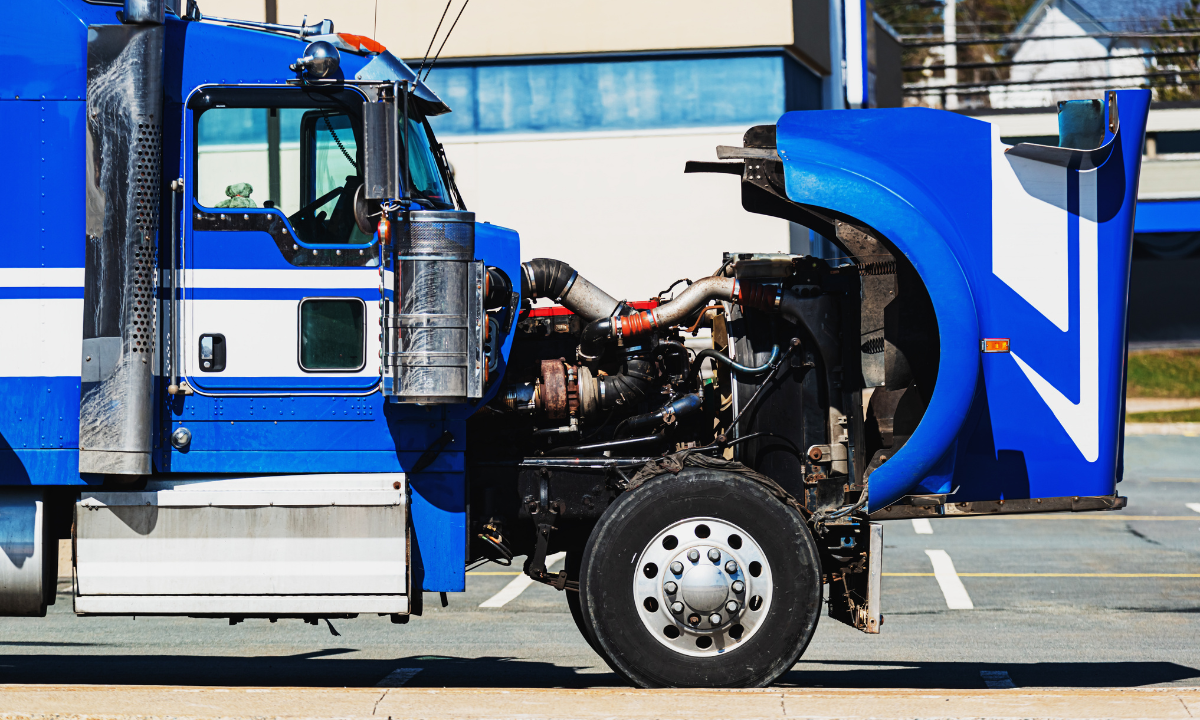
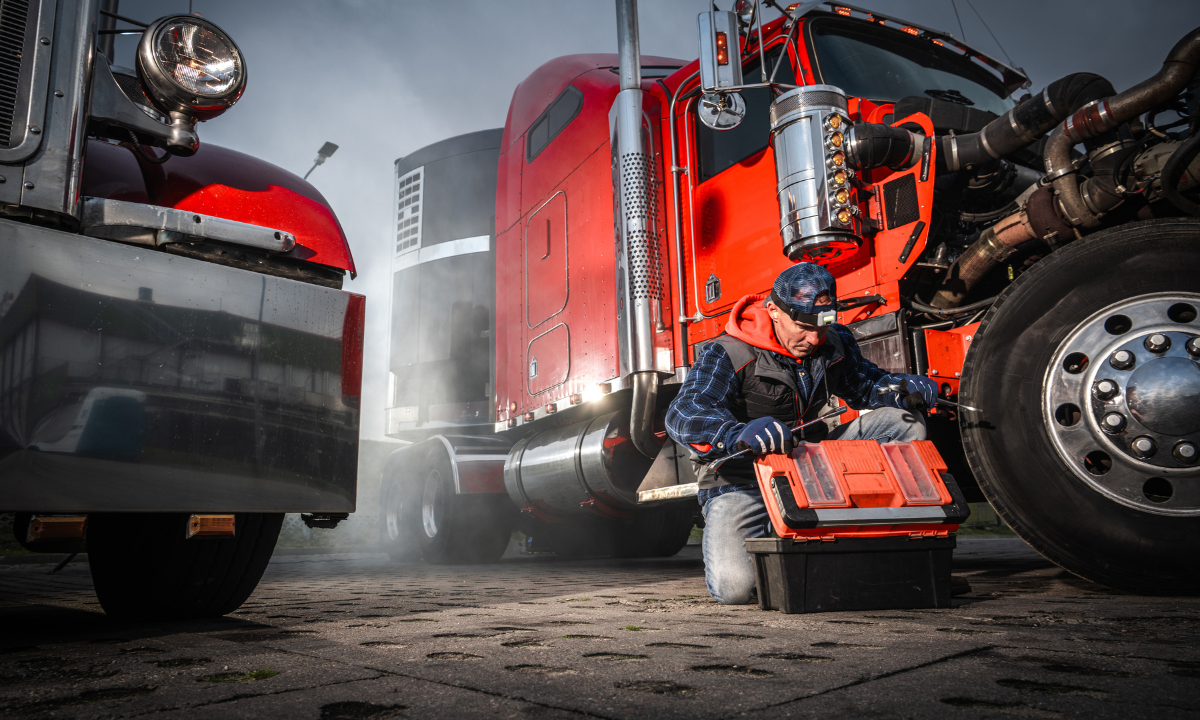
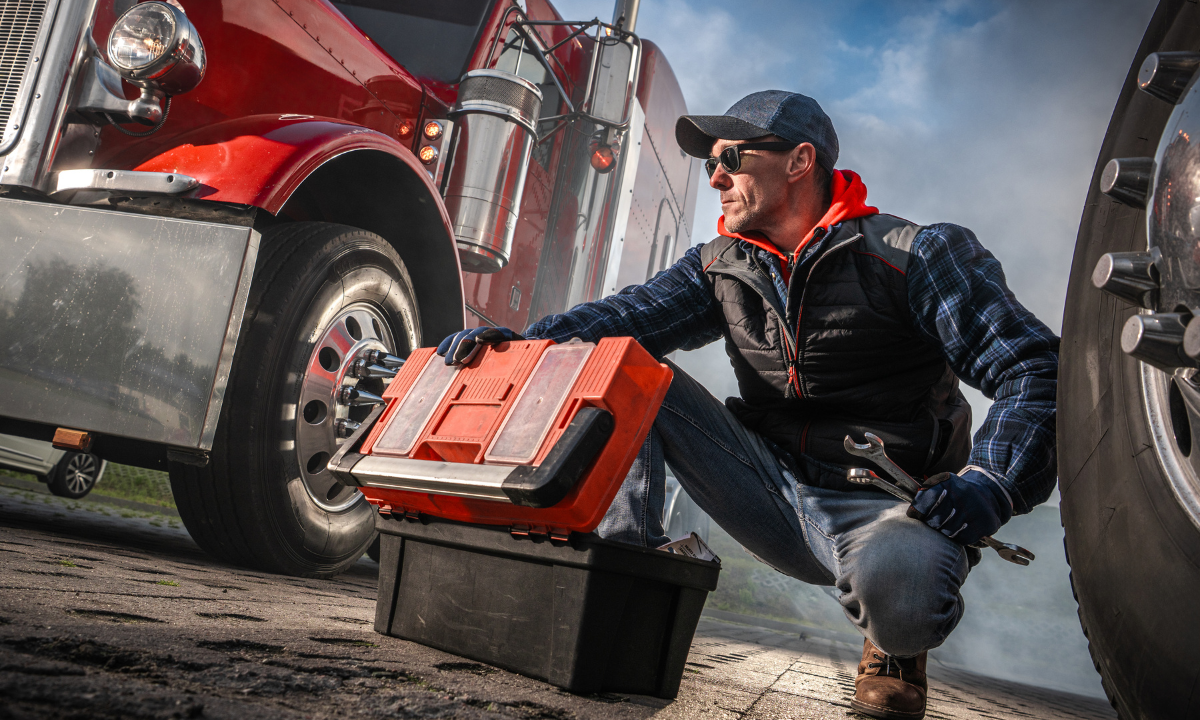
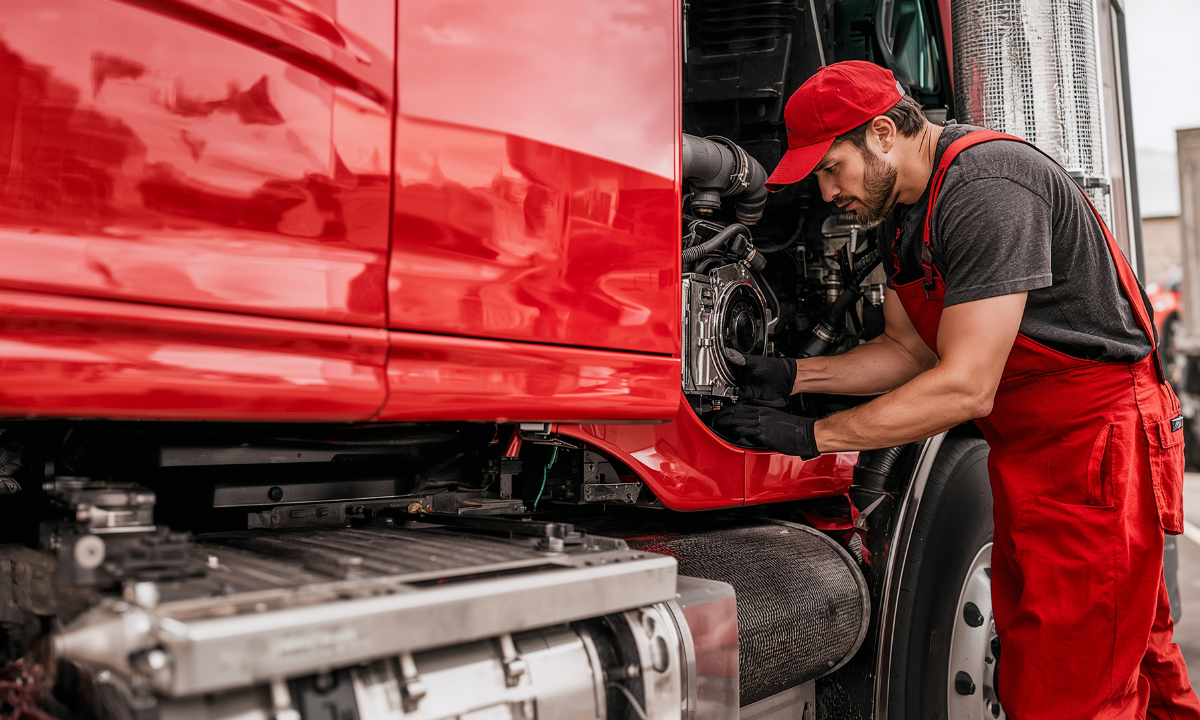
The policy gives emphasis to preemptive measures in vehicle maintenance, making due preparations in either maintenance for bad weather or winterization of vehicles. The policies cover:
- Mandatory pre-trip and post-trip inspection.
- An adequate supply of tire chains kept in storage in areas where it is a legal requirement.
- Tire tread depth, which is adequate for traction.
- Heating systems, defrosters, windshield wipers, and lighting.
- Antifreeze, fuel additives, screen wash.
Such measures ensure that a truck is functioning while being prepared to take up the challenge of bad driving conditions.
Communication with Dispatch
Under bad weather conditions, good communication must follow with the dispatch teams. The drivers must:
- Notify the dispatch of severe weather conditions immediately.
- Keep the dispatch updated concerning the delays or changes in routing.
- Adopt the alternate routing when the major highways get closed.
With such communication, transparency within the operation is ensured, and the logistics teams can adjust according to make the least impact on the customers.
Hours of Service and Weather Exemption
Under FMCSA Hours of Service regulations, drivers may use adverse weather conditions to slightly extend their driving time when an unforeseen weather delay occurred. Though the company policies advise against such practices, when safety is at stake, they shall still stress the need for such exemptions to be exercised with maximum caution. The policies also remind drivers that rest and management of fatigue would be very important even during the weather emergency.
Training and Education That Is Continuous
Usually, trucking companies offer driver training to deal with hazardous weather. Common topics include:
- Braking techniques on icy roads.
- Avoiding jackknifing.
- Heavy rain, fog, and strong crosswinds driving techniques.
- Emergency response to accidents and closures.
Thus, the investment in the training ensures that drivers are prepared, assured, and compliant under any conditions.
Enforcement and Consequences
Policies stipulate action against those who disobey bad weather rules as follows:
- Disciplinary action when the safety is knowingly put at risk.
- Increased liability on the part of the driver for such accident cause due to reckless driving.
- Fines for damage to cargo or equipment.
The strict enforcement protects the driver as well as the company from all subsequent financial and legal consequences.
In a Nutshell
An excellently crafted company policy pertaining to driving in bad weather must create an equilibrium between safety, compliance, and efficient operation. By giving legit powers to drivers to base decisions on safety, by mandating proper readiness of vehicles, and by enforcing communication standards as well as training procedures, trucking companies minimize their risk and stand fast amongst all other companies in the time of need.
Disclaimer: The information provided in this blog post is for general informational purposes only. While we strive to keep the content accurate and up to date, we do not guarantee its completeness, reliability, or accuracy. Any actions you take based on this information are strictly at your own risk. We are not responsible for any losses, damages, or inconveniences that may arise from the use of this blog.