






I-42 Road Conditions: Traffic, Construction, and Weather Updates
Interstate 42 (I-42) matters a lot as a transportation route in Wisconsin, it helps daily commuters, commercial trucks, and folks heading across the region. If you look at I-42 road conditions before you leave, you can often dodge traffic jams, construction areas, and those “weather gets weird” moments. When you have reliable travel info, you can plan a route that feels calmer and safer. Honestly, I-42 keeps taking on a bigger part in how the state stays connected and how businesses move around. People who check road happenings more regularly tend to be ready for sudden changes while they’re on the road.
Real-Time Traffic Conditions on I-42
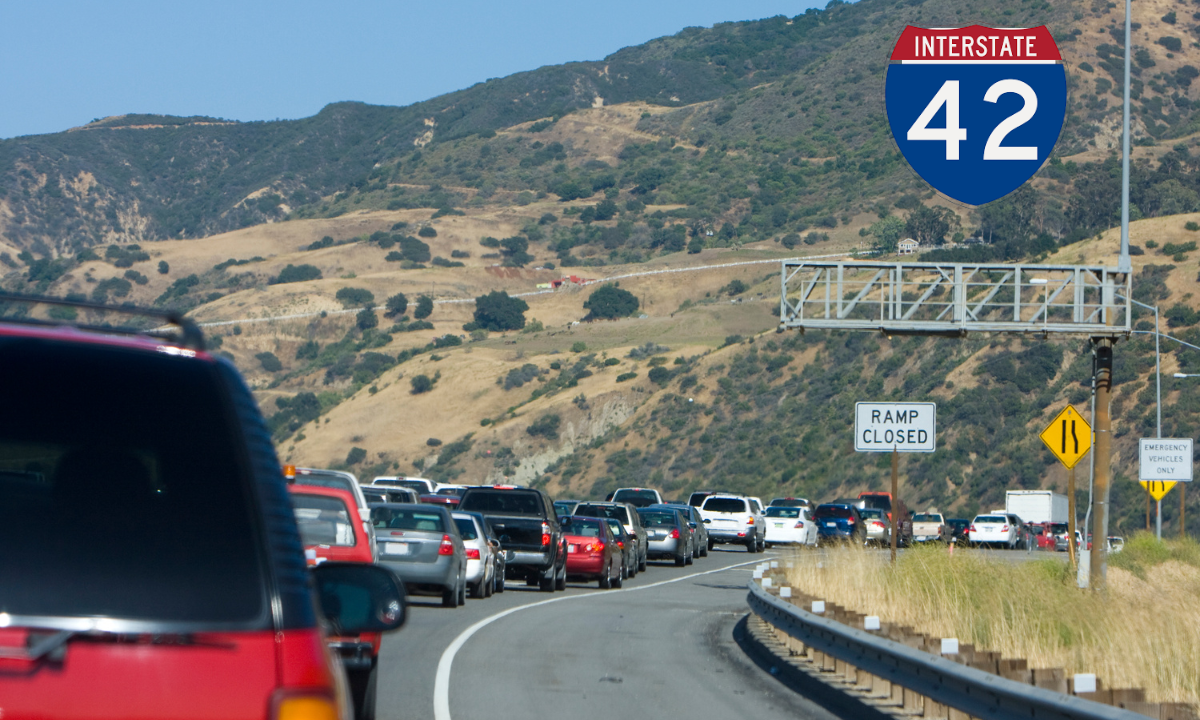
Traffic on I-42 might shift through the day because of commuting waves, special events, fender-benders, or ongoing roadwork. If you’re driving around morning and evening rush times, expect slower movement near bigger interchanges and busier town pockets. Checking live traffic updates , estimated travel times, and congestion details makes it easier to pick alternative paths and cut down on delays. Modern monitoring systems feed real-time data, so drivers can decide before they even reach the trouble spots. Keeping up with what’s happening right now also supports safer driving and smoother travel. You may also see heavier traffic on weekends and around holiday periods, which can pile on extra congestion. Using up-to-the-minute roadway info lets travelers change departure timing, and it can help bypass nasty traffic bottlenecks.
I-42 Construction and Road Work Updates
Construction matters here because it keeps Interstate 42 safer and functioning better over time. Along the year, drivers may hit lane reductions, lower speed zones, pavement fixes, and bridge-related upkeep. These changes can temporarily mess with travel times, and traffic flow too. Checking current construction updates before you set off lets you plan for possible slowdowns, and if detours appear you can spot them earlier. Getting ahead of the schedule also lowers that “why is this happening” stress feeling. Plus, upgrades help boost roadway capacity long-term, and that supports better transportation reliability. When you understand where and when work is scheduled, you can manage expectations more effectively.
Weather Conditions Impacting I-42 Travel
Weather can really swing the driving experience on I-42. Things like hard rain, thick fog, snow, ice, and gusty winds can make roads dangerous and visibility drop. Drivers should watch weather forecasts before they start out, especially if winter is in the forecast. Severe weather can mean slick pavement, and traffic usually slows down fast. Looking at current forecasts plus road condition updates helps travelers adjust, and maintain safer driving behavior. Seasonal shifts can affect how well road surfaces grip tires and can make delays more likely. Being ready for tough weather also supports driver confidence, and it helps the overall safety picture on the highway.
Trucking and Freight Traffic on I-42
I-42 is a major corridor for freight moving through Wisconsin. Commercial trucks rely on this route to tie in distribution areas, production plants, and regional buyers. So motorists should anticipate stretches with heavier truck presence, especially near industrial zones and logistics hubs. Truckers and fleet managers often get better results when they track road conditions, traffic alerts, and route restrictions to stay on schedule. Updated travel details reduce idle time and support safer roadway operations. Freight activity also plays a big part in why this interstate corridor is economically important. If everyone knows the rhythms of truck traffic, it usually means trips go more safely and efficiently for all vehicles.
Accident Reports and Travel Delays
Incidents can pop up out of nowhere, and they might cause lane closures, slower speeds, or brief congestion buildups. Crashes, stalled cars, and emergency response work can all contribute to delays along Interstate 42. When travelers stay aware of road incidents, they can switch routes when that’s needed. Real-time traffic info can steer drivers away from crowded areas, and reduce trip disruptions. Checking travel advisories before departure is one of the best “preparation steps” you can do. Even smaller incidents can hit hard during high-traffic times. Watching travel alerts through the day helps drivers make more solid route choices, and it can cut down on delays.
Safe Driving Tips for I-42 Travelers
Safety should stay first, always, while traveling on Interstate 42. Drivers should keep safe following distances, obey posted speed limits, and pay attention to changing traffic and weather patterns. Extra caution is smart in work zones, and especially during periods of limited visibility. Defensive driving can lower accident chances, and it supports overall safety on the road. Getting prepared for traffic conditions, weather shifts, and construction changes helps you have a smoother trip. Also, minimize distractions and stay focused on what’s around you, not just what’s directly ahead. Solid safe-driving habits protect drivers, passengers, and commercial operators, all together.
In conclusion, keeping up with I-42 road conditions, the latest traffic bulletins, weather forecasts, and any ongoing construction activity can really make each trip feel safer and a bit more efficient. Even if you are just commuting, hauling freight, or traveling across Wisconsin, being connected to up to date roadway info helps cut down on unexpected delays and supports better route planning. If you check what’s happening before you roll out, you can increase the chances of a smoother drive along Interstate 42. Solid travel resources, give practical insights that help drivers react to shifting road situations. Turning these road condition checks into a routine part of your trip can support a safer, and more predictable experience on the road.