



Interstate 17 (I-17) Road Conditions Guide
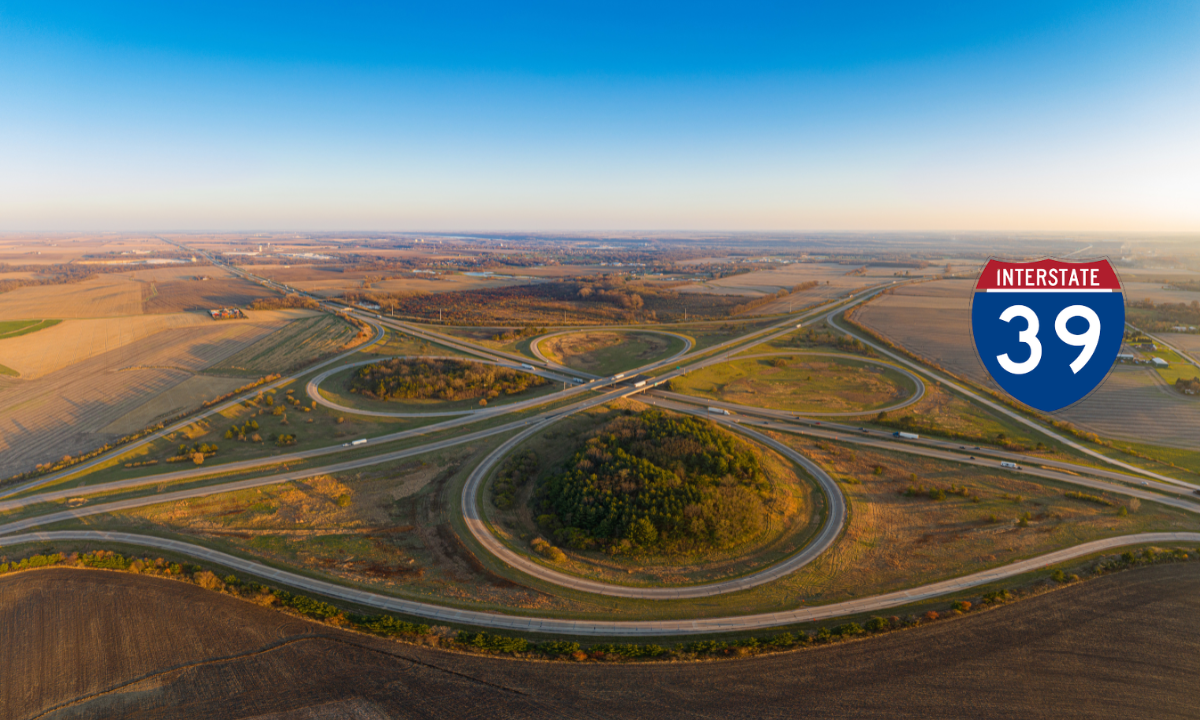
Interstate Highway I-17 road conditions guide provides essential travel information and traffic updates and roadway safety insights which drivers and commuters and trucking professionals need to navigate Arizona’s key north-south highway. I-17 acts as the major transport route which connects Phoenix with Flagstaff for regional transport needs and freight operations and tourist travel and business shipping throughout central Arizona. The route’s traffic pattern requires drivers to monitor live updates about traffic jams and weather conditions and construction work and road closures so they can travel more efficiently and drive more safely.
The Importance of Interstate 17 Highway
The Interstate 17 (I-17) functions as a main north-south transport route which connects the Phoenix metropolitan area with northern Arizona destinations including Flagstaff, Sedona access routes, and Interstate 40. The highway plays a major role in supporting tourism, trucking logistics, freight transportation, and regional economic activity, especially because it links urban commercial centers with mountain communities and recreational destinations. I-17 serves as a central route which travelers use to reach northern Arizona sites and trucking businesses use to move products between southern and northern distribution centers.
Current Road Conditions and Traffic Patterns on I-17
Traffic conditions on I-17 demonstrate large differences in traffic flow patterns which occur during different seasons and weather conditions and peak tourism times and various times throughout the day, with the most congested times occurring near Phoenix, Black Canyon City, Camp Verde, and Flagstaff. Drivers frequently experience traffic slowdowns, weekend congestion, accident-related delays, lane restrictions, and merging traffic, especially during holiday travel periods and summer tourism seasons. Northbound traffic from Phoenix experiences heavy congestion on Saturdays when travelers drive to northern Arizona destinations which have cooler temperatures. The use of real-time road conditions and traffic reports allows drivers to avoid delays while they create better plans for their trips.
Construction Zones and Infrastructure Projects
The Arizona Department of Transportation (ADOT) oversees multiple ongoing projects which include road expansion projects and pavement repairs and bridge improvements and safety upgrades throughout I-17 to enhance both traffic movement and roadway safety. Construction activity may create lane closures, reduced speed limits, temporary detours, and shifting traffic patterns, particularly in mountain sections and high-traffic urban corridors. Drivers traveling through active construction zones should remain alert, reduce speed, and prepare for sudden traffic slowdowns. The process of staying informed about roadwork schedules and transportation alerts enables travelers to experience less disruption while achieving faster travel planning.
Weather Conditions Affecting I-17 Travel
The weather conditions along I-17 change dramatically because the elevation from Phoenix to Flagstaff creates multiple climate conditions which drivers experience during their journey. The southern areas around Phoenix experience extreme desert temperatures combined with dust storms and strong winds while the northern areas around Flagstaff face snowfall and icy roads and fog and freezing temperatures during the winter months. Monsoon season brings heavy rain which leads to dangerous driving conditions because it creates flash floods. To travel safely along the corridor drivers must check weather forecasts and road condition alerts before they leave.
Trucking Traffic and Freight Movement on I-17
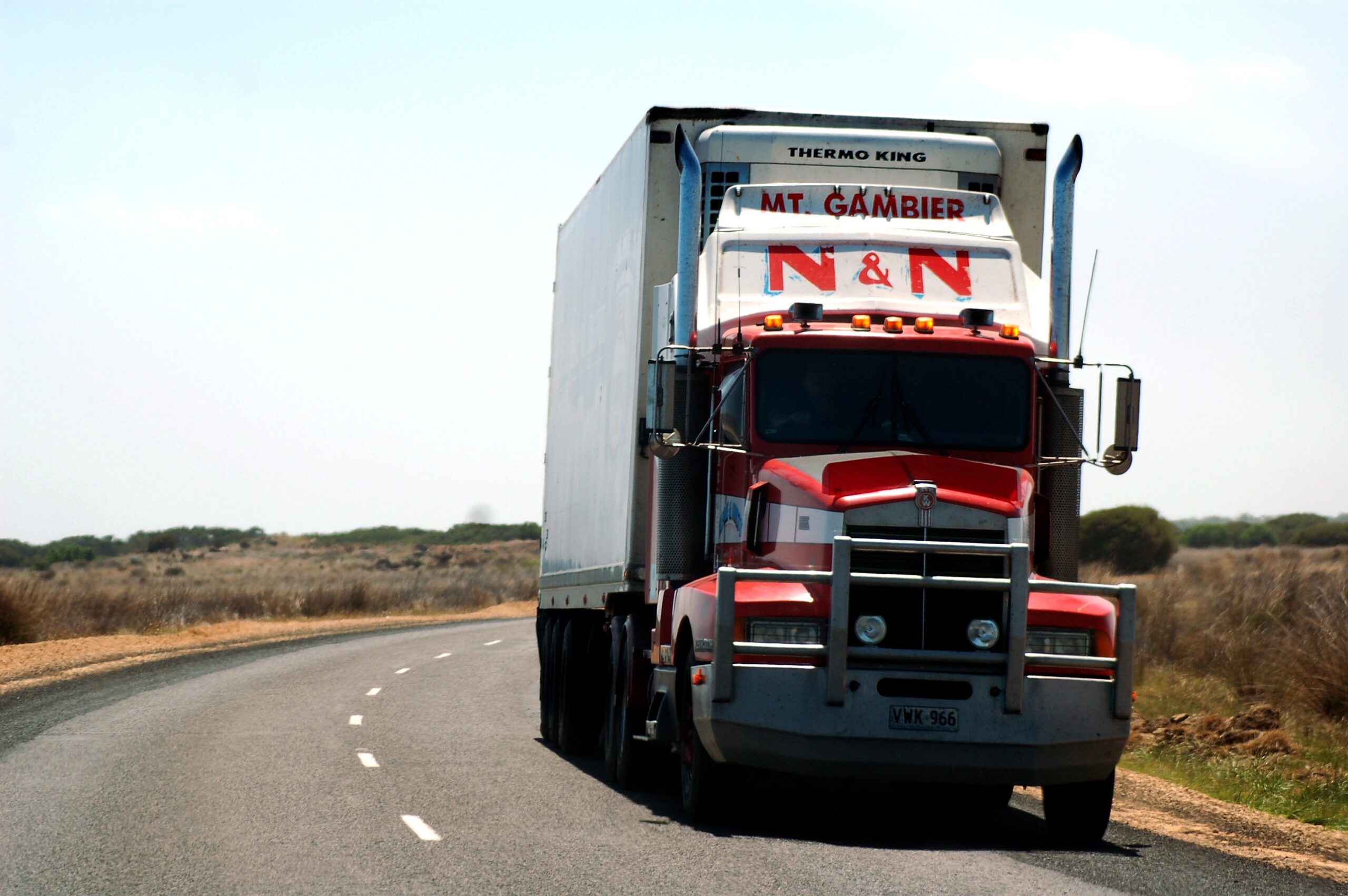
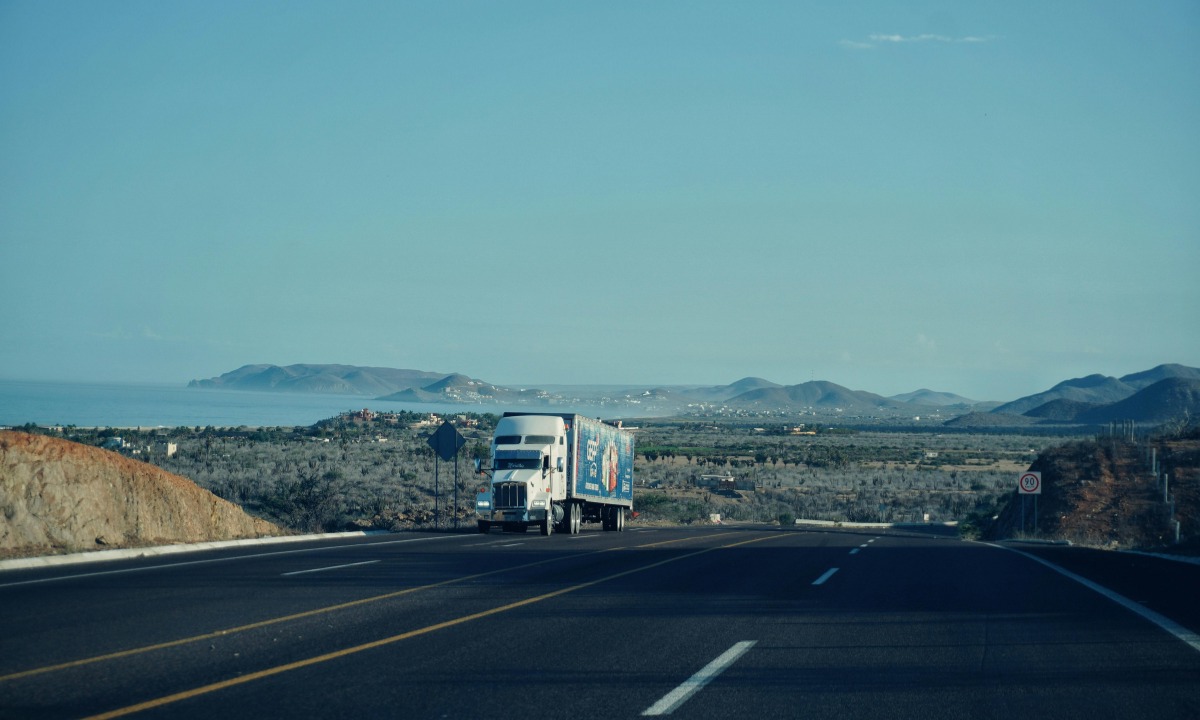
The Interstate 17 corridor serves as a vital transportation route which supports commercial trucking operations and freight transport activities and supply chain management processes throughout Arizona. Truck drivers use I-17 to move goods between Phoenix distribution centers, northern Arizona communities, and interstate freight routes connected through I-40. Drivers should expect heavy commercial vehicle traffic, steep mountain grades, merging trucks, and increased freight movement near industrial and logistics zones. The management of delivery operations through proper route selection and roadway condition monitoring enables trucking companies to achieve better delivery control and operational performance.
Fuel Stops, Rest Areas, and Driver Services
I-17 provides access to numerous truck stops, fuel stations, convenience stores, repair facilities, rest areas, and food services, particularly near Phoenix, Camp Verde, and Flagstaff. Drivers need to know that mountain and rural areas have limited service options so they must plan fuel stops and rest breaks at specific locations. Long-distance drivers and trucking operators should also follow Hours of Service (HOS) regulations and schedule adequate rest periods to maintain safe driving conditions throughout the journey.
Safety Tips for Driving on I-17
Driving on I-17 requires drivers to understand mountain driving conditions, changing weather patterns, construction zones, and heavy traffic volumes which affect the entire route. Drivers must practice safe following distances while they watch blind spots and complete their driving tasks and navigation through Google Maps and Waze to receive live traffic and accident information. Drivers must exercise special caution when they drive on steep grades and winding sections and during severe weather conditions because these conditions make it hard to see and drive safely. Drivers can travel safely on I-17 by using defensive driving techniques together with proper vehicle maintenance.
Best Times to Travel on I-17
Drivers should choose to drive on I-17 during early morning hours and late evening hours and mid-week periods because these times provide better traffic conditions and drivers can expect consistent road conditions. Northbound traffic from Phoenix to northern Arizona experiences heavy traffic on weekends because of tourist and recreational travel patterns. Holiday weekends and peak vacation seasons can also significantly increase traffic volumes. Drivers experience less traffic at off-peak hours which helps them save gas and creates better driving conditions.
Impact of I-17 Road Conditions on Trucking Businesses
I-17 road conditions directly impact trucking businesses by affecting their operations and delivery times and fuel costs and overall operational efficiency across Arizona. Mountain driving conditions along with construction work and severe weather and traffic congestion create delays which increase transportation costs and decrease operational efficiency. Businesses which utilize real-time GPS tracking and traffic monitoring systems and route optimization tools can better manage delivery timelines while their empty miles decrease and fleet performance improves. Operators need to execute effective route planning to achieve reliable freight movement while maintaining operational profitability.
Final Takeaway
The Interstate 17 highway stands as a vital transportation route for Arizona because it connects Phoenix with northern Arizona for both regional travel and tourism traffic and freight movement. The route requires drivers to remain vigilant about traffic congestion and mountain terrain and weather changes and construction work which they will encounter at various points throughout their journey. Travelers from both the public and trucking industry can achieve a safer smoother and more efficient journey on I-17 by using proper trip planning methods together with safe driving methods and real-time road condition updates.