



Interstate 14 (I-14) Road Conditions Guide
The Interstate Highway I-14 road conditions guide provides drivers, commuters, and trucking professionals with important travel information, real-time traffic updates, and roadway insights for safer and more efficient journeys. I-14 serves as a growing interstate corridor in Texas which links vital thoroughfares for military logistics, commercial travel, freight transport, and regional transit. Drivers who stay updated on traffic conditions, weather alerts, construction updates, and travel planning will achieve better driving safety while decreasing delays throughout the entire route.
The Importance of Interstate 14 Highway
The Interstate 14 (I-14) is a developing east-west interstate corridor in Central Texas that currently connects cities including Killeen, Copperas Cove, Belton, and Temple. The highway serves as an important transportation link for regional commerce, military operations, freight transportation, and economic development, especially because it connects areas near Fort Cavazos (formerly Fort Hood) and other growing commercial zones. The upcoming interstate expansion will extend I-14 which will enhance its role in trucking operations, supply chain logistics, and interstate transportation. The route functions as a local and long-distance travel pathway which has grown more vital for Texas businesses and commercial transportation systems.
Current Road Conditions and Traffic Patterns on I-14
Traffic conditions on I-14 can vary depending on time of day, local events, and ongoing infrastructure activity, with the heaviest congestion generally occurring near Temple, Belton, and Killeen urban areas. The weekday commuting period sees drivers facing rush-hour delays, merging congestion, lane restrictions, and accident-related slowdowns due to military traffic near Fort Cavazos. Drivers experience better traffic conditions on the rural sections of the route which create more efficient travel except for when construction work or weather conditions force delays. Drivers who want to avoid delays should use real-time road conditions and traffic reports to create more efficient travel schedules.
Construction Zones and Infrastructure Projects
The I-14 route handles ongoing construction work because it exists within an expanding transportation corridor which requires roadway improvements, bridge upgrades, and lane extension projects to achieve better traffic flow and driver safety over time. The Texas Department of Transportation (TxDOT) frequently manages infrastructure improvements that may result in temporary lane closures, detours, shifting traffic patterns, and reduced speed zones. Drivers passing through construction zones must stay aware of their surroundings while following all signage and should plan extra time for their trip to avoid creating unneeded delays. Travelers need to stay up-to-date about construction schedules and roadwork updates to achieve better travel experiences.
Weather Conditions Affecting I-14 Travel
The weather conditions along I-14 are influenced by Central Texas climate patterns, which can include extreme summer heat, heavy thunderstorms, strong winds, flash flooding, and occasional winter ice events. Severe storms and heavy rainfall create conditions which quickly change road visibility, traction, and traffic movement. Low-lying roads and entrance ramps experience dangerous driving conditions during flash flooding while high summer temperatures create vehicle performance challenges and tire safety issues. Before traveling drivers should check weather forecasts and emergency alerts to stay informed about upcoming changing conditions which may impact their trip.
Trucking Traffic and Freight Movement on I-14
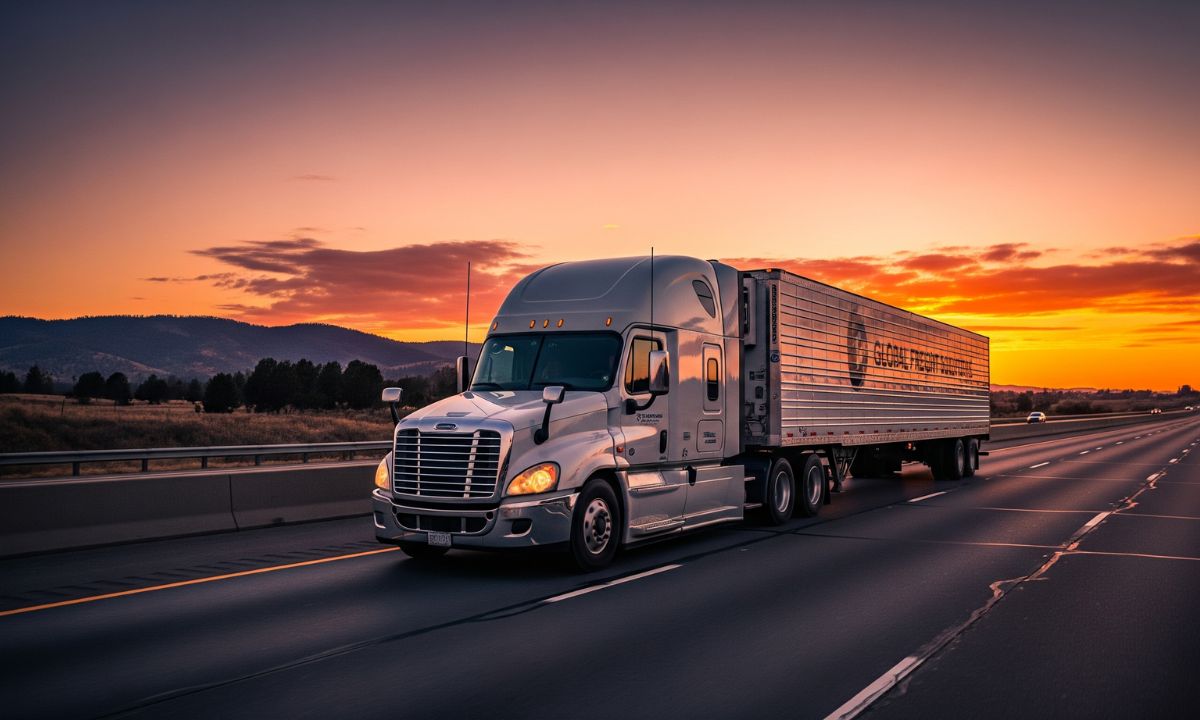
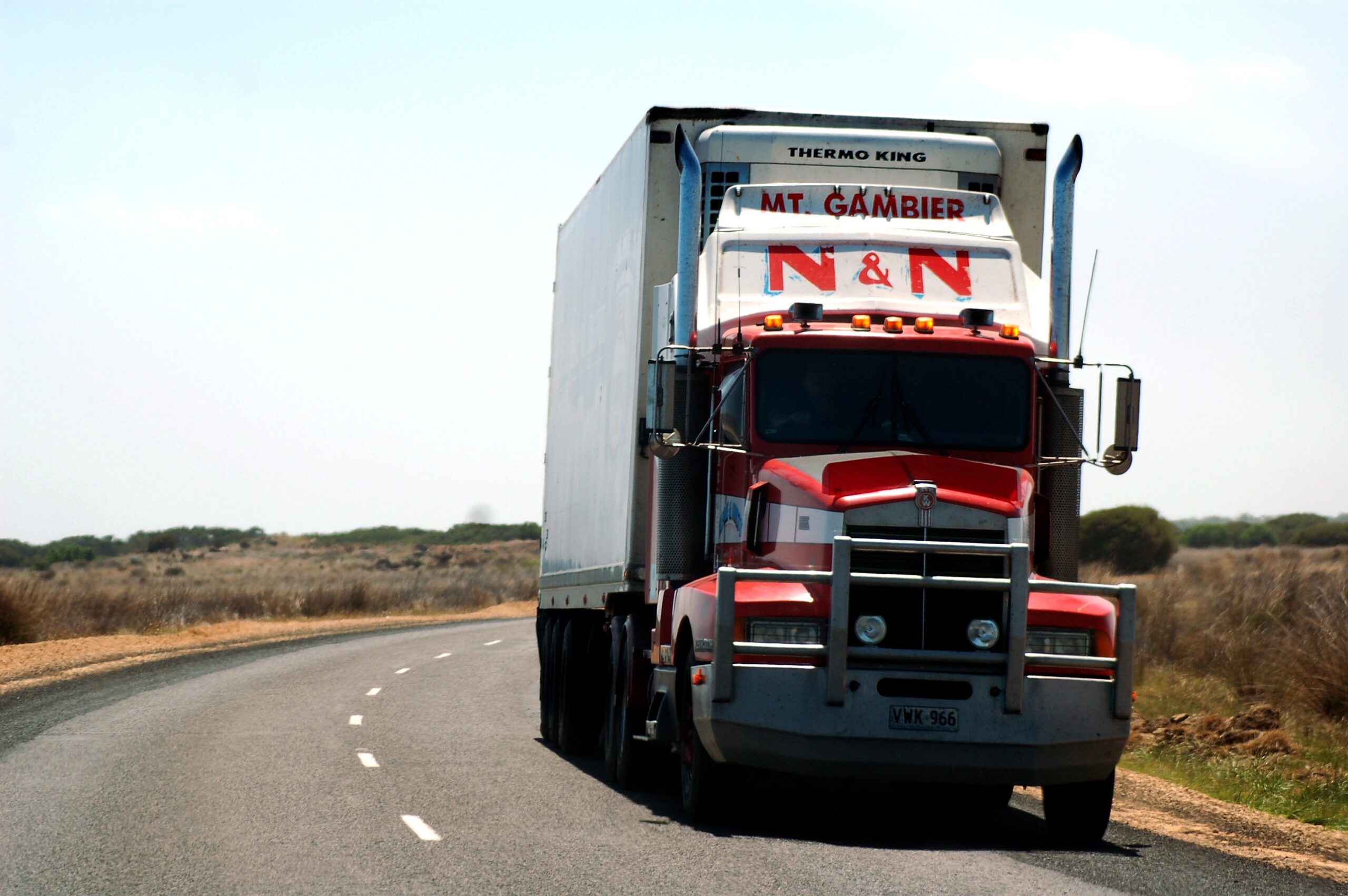
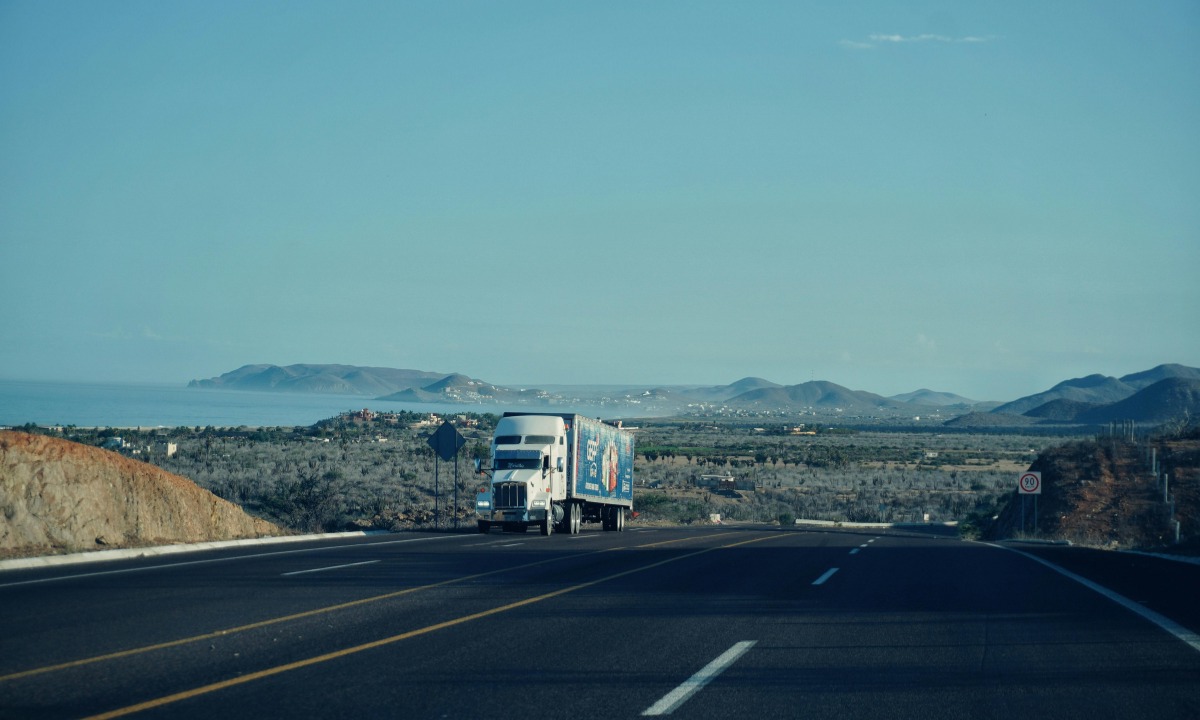
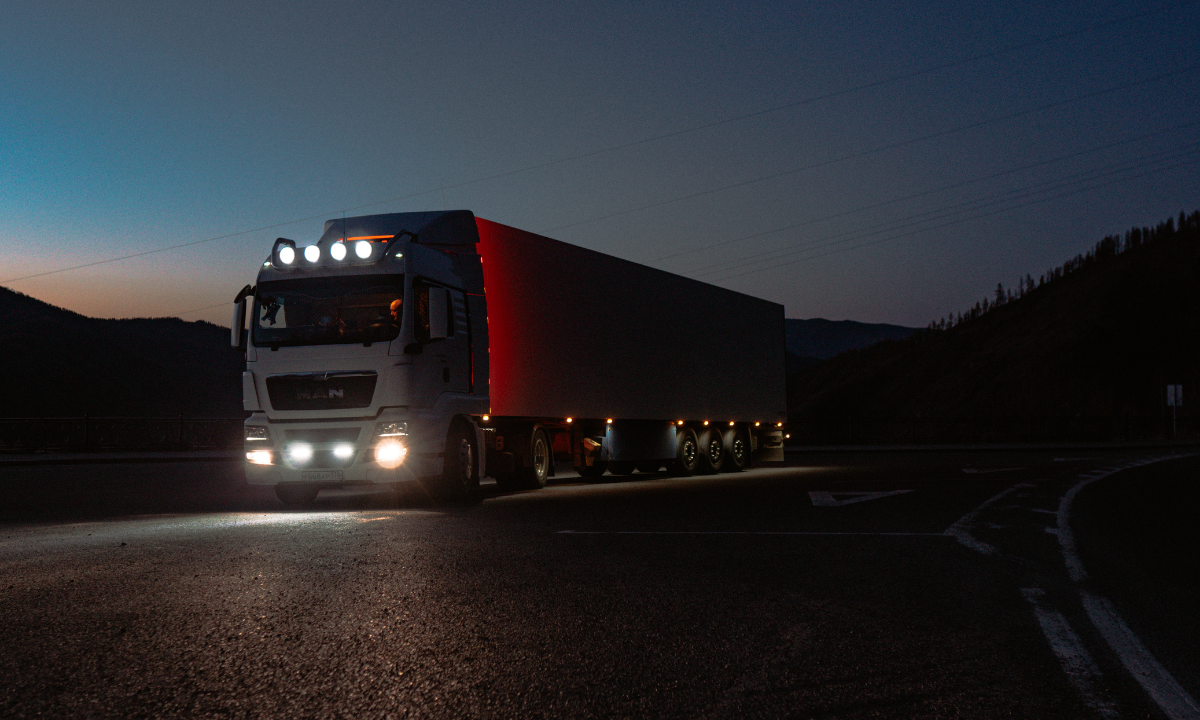
The Interstate 14 corridor supports increasing levels of commercial trucking traffic, military freight transportation, regional logistics operations, and supply chain movement throughout Central Texas. Truck drivers frequently use this route to access distribution centers, manufacturing facilities, military installations, and commercial hubs, making freight movement an important part of daily traffic flow. The region’s commercial growth will lead to a substantial increase in trucking operations along I-14. Drivers who approach industrial and urban areas must remain alert to the presence of heavy truck traffic, delivery vehicle movement, and merging activity.
Fuel Stops, Rest Areas, and Driver Services
Drivers traveling on I-14 have access to various truck stops, fuel stations, convenience stores, rest areas, repair shops, and food services, particularly near larger cities such as Temple and Killeen. The service options in smaller communities along the route operate at reduced capacity thus drivers need to create trip plans for their long-distance travel. Fuel stop planning and rest break scheduling help drivers achieve uninterrupted travel while they maintain compliance with Hours of Service (HOS) regulations. The availability of dependable driver services leads to better travel efficiency and safer road conditions.
Safety Tips for Driving on I-14
Safe driving on I-14 requires attention to traffic patterns, construction activity, weather conditions, and commercial vehicle movement throughout the corridor. The drivers must follow safe following distances, avoid distracted driving, monitor blind spots carefully, and use navigation tools such as Google Maps and Waze to stay informed about accidents and traffic disruptions. The times of construction projects and severe weather events and peak traffic hours require extra caution because drivers must anticipate sudden slowdowns or lane changes. Roadway safety depends on people practicing defensive driving while making effective trip plans.
Best Times to Travel on I-14
The best times to travel on I-14 are generally during early morning, late evening, and non-peak weekday hours when there is less traffic and the roads maintain their regular driving patterns. The Killeen to Temple to Belton route experiences its worst traffic conditions during rush hours which extend travel times especially on weekdays and military shift change times. The off-peak periods provide drivers with two advantages because their driving time decreases while their fuel efficiency and route reliability and driving comfort experience improvements. Live traffic updates should be checked by drivers who want to identify their best travel times before starting their trip.
Impact of I-14 Road Conditions on Trucking Businesses
The I-14 road conditions create direct impacts which affect trucking performance and shipment delivery times and diesel consumption and operational processes throughout the Central Texas region. The combination of traffic jams and construction work and extreme weather conditions creates delays which lead to decreased work efficiency and increased freight shipping costs. The implementation of real-time GPS tracking and route optimization systems and traffic monitoring tools enables businesses to handle their delivery schedules better while they decrease their empty miles and enhance their total fleet efficiency. Route efficiency enables companies to achieve their profitability goals while they build reliable delivery systems for their customers.
Final Takeaway
The Interstate 14 highway serves as a developing essential transportation route which supports regional travel and military logistics and commercial freight movement throughout Texas. Drivers should expect to encounter traffic congestion, changing weather conditions, construction zones, and increasing truck activity along the corridor. Travelers who plan their journey with defensive driving methods and access to real-time road condition updates will achieve a safer, smoother, and more efficient experience on I-14.