




I-39 Road Conditions: Live Updates, Traffic Alerts, and Driving Hints
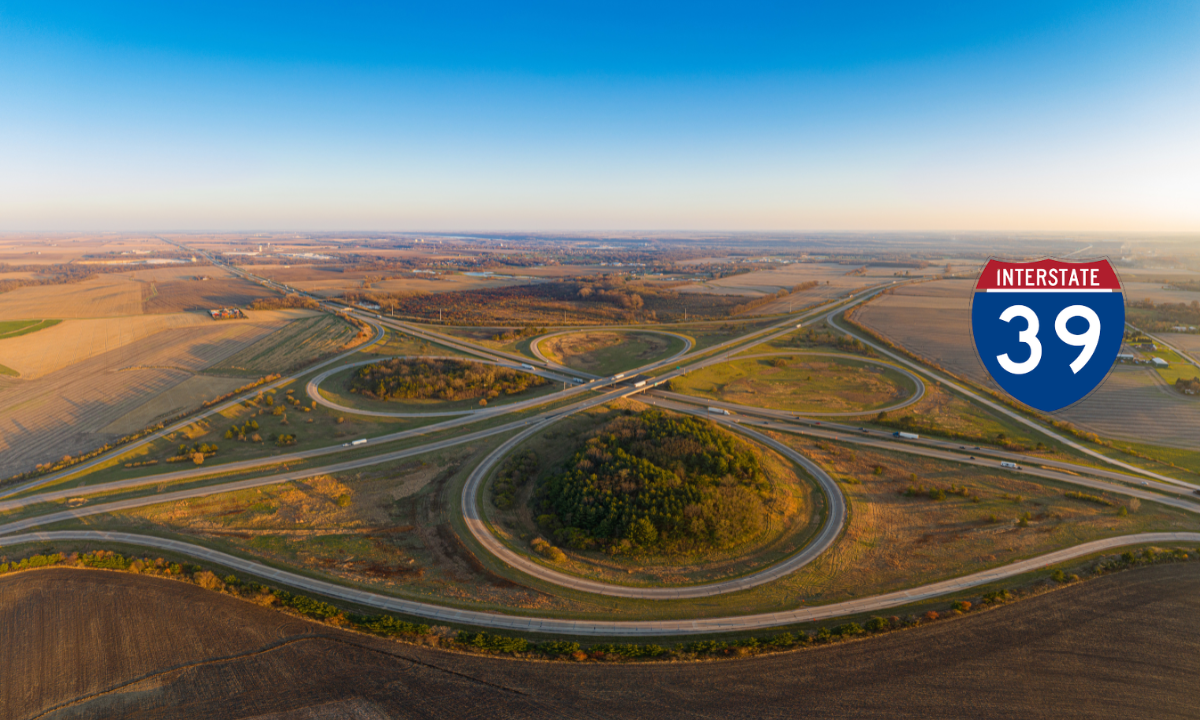
Interstate 39 (I-39) kind of acts like a major north-south, highway backbone moving drivers through Illinois and Wisconsin. If you’re commuting every day , or hauling stuff for work, or doing some longer road-trip thing, it helps to stay aware of I-39 road conditions so you can dodge slowdowns, construction areas, and those weather gotchas. Checking what’s happening on the roadway right now before you roll out, can make the whole trip feel a lot safer and easier. This highway links multiple important towns and also carries freight plus regular passenger travel across the Midwest. And if you grab a dependable road conditions map ahead of time, you’re more likely to spot possible delays early and route around them without stress.
Current I-39 Traffic Conditions
Traffic on I-39 can swing fast, mostly based on time of day, what the weather is doing, and which maintenance projects are active. Cities like Rockford, Bloomington-Normal, and Madison can see heavier slow-moving traffic during peak travel windows. If you pay attention to live traffic updates, traffic cameras, and those real-time congestion bulletins, you can reroute when needed. During weekends, plus around holidays, you often get more congestion along the busiest parts of the corridor. Keeping up with live traffic updates fairly often lets drivers choose better timing and cut down unnecessary delays.
Construction Zones Along I-39
Road work and infrastructure upgrades pop up along I-39 during many months of the year. Expect lane closures, slower posted speeds, and temporary detours, and yeah that can stretch travel times—especially in spring and summer when crews are busy. Drivers should stay awake when approaching work zones, and follow every posted sign like it means something, because it does. Transportation agencies commonly line up maintenance to support safer road surfaces, better bridges, and smoother overall travel. Checking highway construction updates before you leave is a smart move, because it helps you avoid active areas, and weird lane changes you didn’t plan for.
Winter Weather and I-39 Driving Conditions
Winter can turn I-39 into a real puzzle, especially up toward northern Illinois and into Wisconsin. Snow, freezing rain, black ice, and strong winds can reduce visibility and make the road surface feel treacherous. Travelers should check winter road reports plus weather forecasts before departing in colder months. Sometimes, temperature drops happen quickly, and you’ll get ice even when the road looked dry 5 minutes ago. Looking at current winter road reports helps drivers get ready for changes, and that typically improves overall safety.
Commercial Truck Traffic on I-39
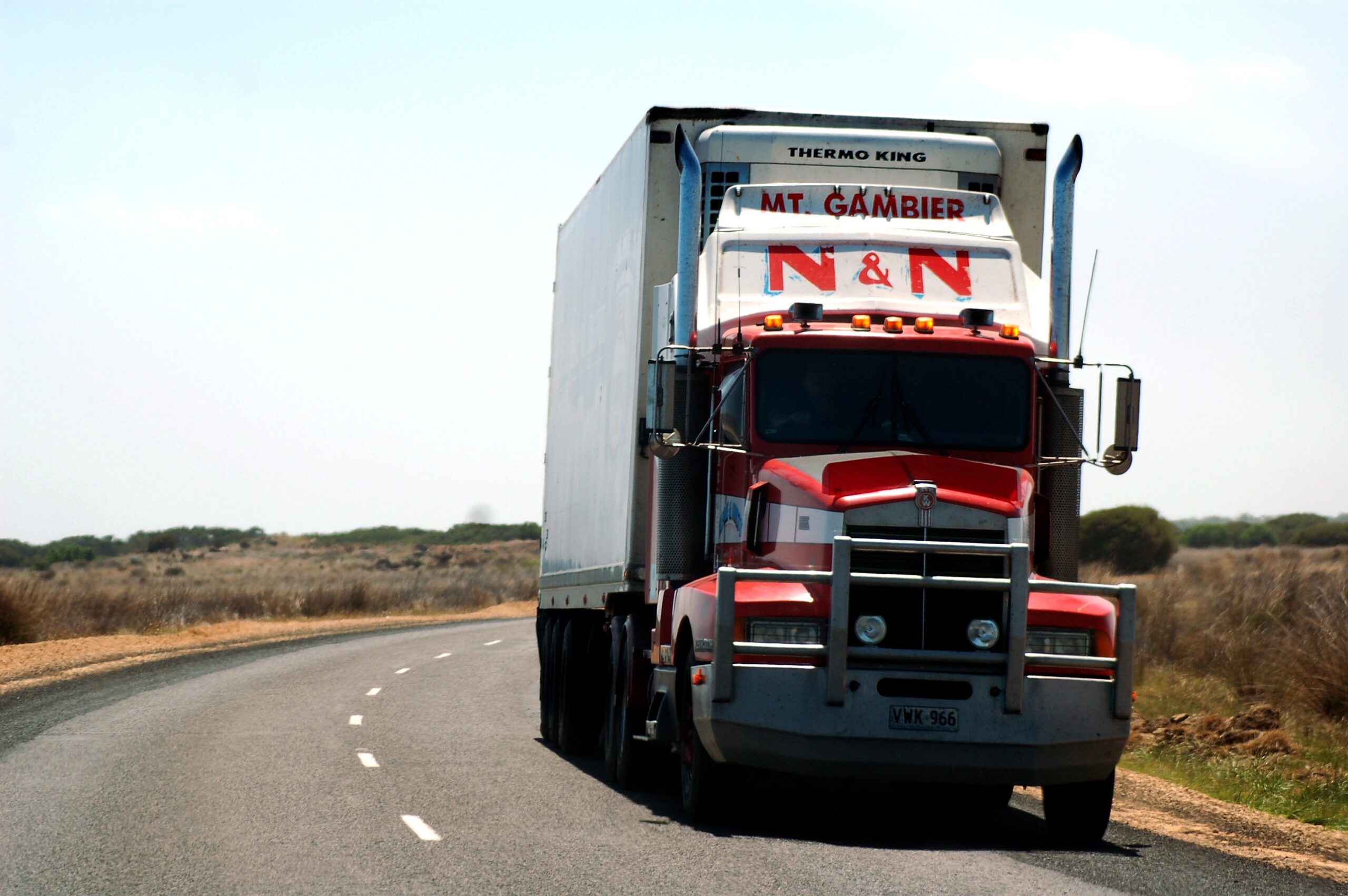
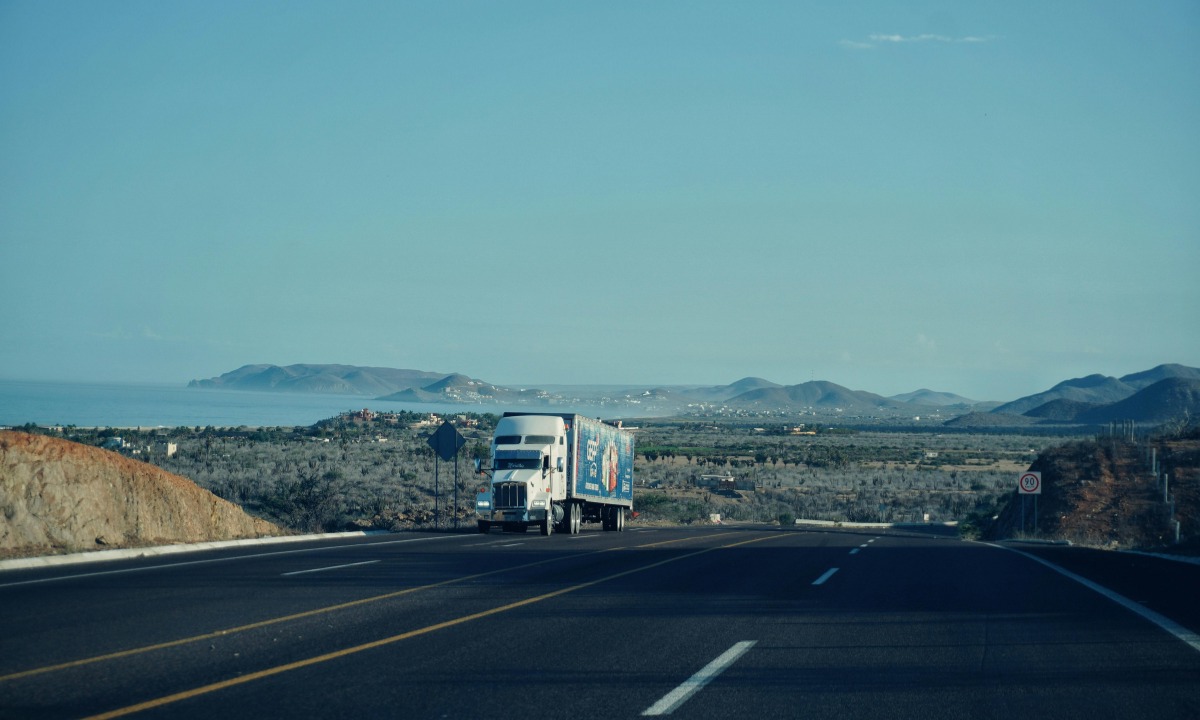
I-39 is a serious freight route, used by a steady stream of commercial vehicles moving goods through the Midwest. Truck drivers often count on the interstate for connections with bigger highways like I-90, I-80, and I-55. Knowing truck route conditions, weigh station information, and any road limitations helps commercial operators keep delivery schedules on track. When heavy trucks bunch up, traffic flow can slow down, especially near big distribution centers and logistics areas. When fleet managers can access updated truck route conditions, they can plan more efficiently, and reduce disruptions along the way.
Accident Reports and Travel Delays
Accidents and other incidents can show up out of nowhere on I-39, and they sometimes cause major delays. Emergency response, blocked lanes, or severe weather may lead to temporary gridlock. Reading traffic incident reports and travel advisories before starting your trip can help you dodge congestion and lower the stress level. Even a small crash can mess with travel times during high-volume stretches, which is always annoying. Watching traffic incident reports while you’re traveling lets drivers adjust routes and reduce delays when possible.
Road Safety Tips for I-39 Travelers
Safe driving matters a lot on I-39. Keep a proper gap behind other vehicles, obey the posted speed limits, and don’t do distracted stuff while driving. In rough weather, slow down and give yourself extra stopping room. These steps lower risk and support safer travel for everyone. Defensive driving is extra important near construction zones , and anywhere heavy truck traffic might be rolling through. Checking highway safety tips can give both newer and veteran drivers a steadier, calmer way to handle Interstate 39.
Best Resources for Checking I-39 Road Conditions
There are several online places that show real-time I-39 traffic and road conditions. Drivers can access traffic cameras, weather alerts, construction notifications, and emergency updates from state or local transportation agencies, plus traffic monitoring services. It’s usually better to compare more than one source before you go, so you don’t miss changes. Mobile apps and state transportation websites may list road closures and incident details clearly. Using trusted travel information services helps you stay current, and makes it easier to make better driving choices throughout the entire trip.
Conclusion
Staying aware of I-39 road conditions, traffic updates, weather alerts, and construction activity is key for a safer and more efficient trip. Whether your travel is business-related, freight-focused, or just for fun, being prepared helps you avoid delays and reach your destination with more confidence. Planning ahead also lowers the odds of running into unexpected disruptions on the highway. And if you rely on solid travel tools while monitoring