





I-37 Road Conditions: Traffic Updates, Construction Zones, and Travel Tips
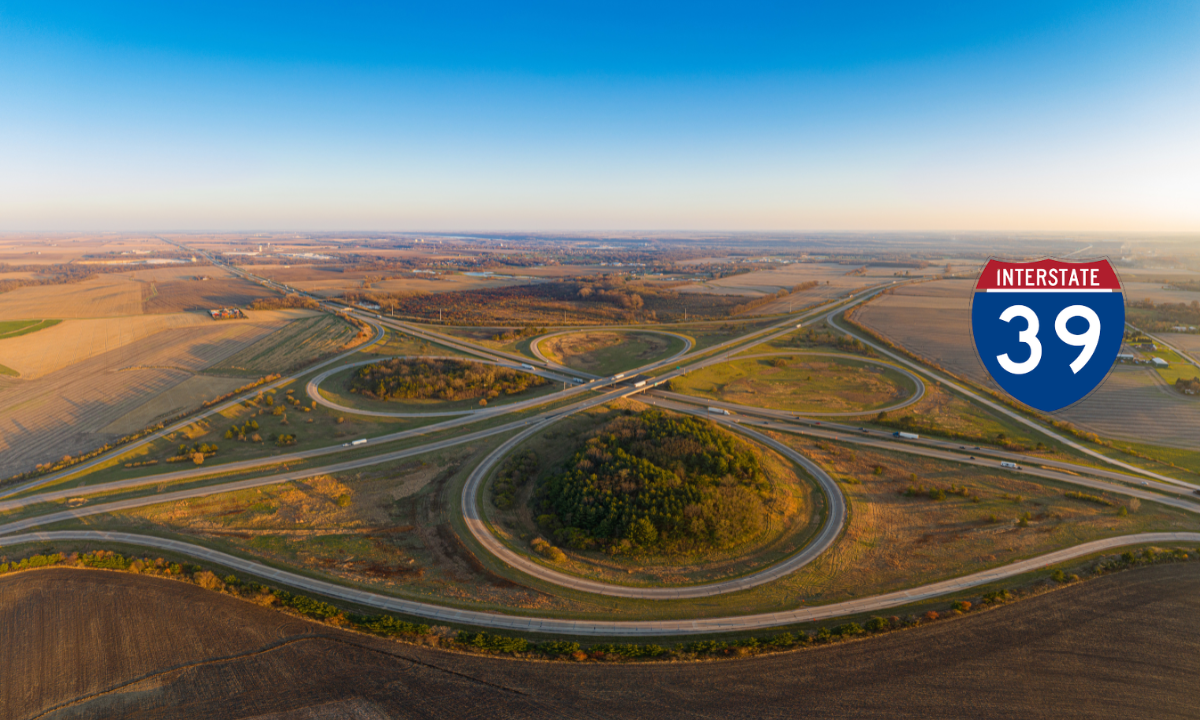
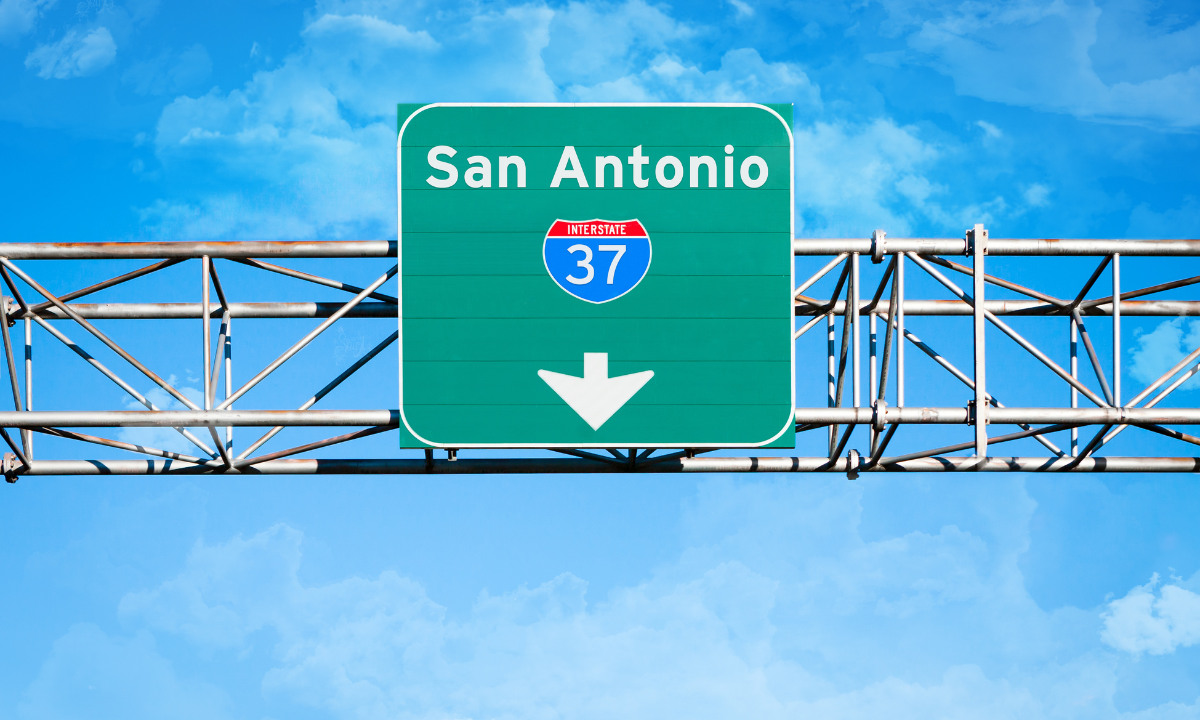
Interstate 37 (I-37) is one of those key routes in South Texas, linking Corpus Christi and San Antonio. Roughly 143 miles long, it’s used by commercial truck drivers, people commuting daily, tourists wandering around, and freight carriers moving goods from the Gulf Coast toward inland Texas. If you keep an eye on I-37 road conditions you can dodge a lot of the annoying delays, construction slowdowns, and random traffic bumps, which also makes for a safer trip. This stretch matters a ton to industries that need stuff delivered on time, and it also supports the bigger transportation system. On any given day thousands of vehicles roll through, so knowing what’s happening on the road is kinda not optional for most travelers. For fresh details, drivers should check Texas Department of Transportation (TxDOT) pages or feeds before leaving.
Why Monitoring I-37 Road Conditions Matters
Looking up current I-37 traffic conditions before you depart can actually save time and keep you from getting stuck in that “why am I here” mood. Along the way you’ll run into lane closures, maintenance jobs, weather issues, and heavy-duty truck traffic in certain sections. Real-Time Traffic Updates help travelers think ahead, find detours when needed, and shift departure times. Getting the right info ahead of time can also mean less fuel waste, because you avoid long stretches of crawling. People who track roadway updates often handle surprises better, like sudden incidents, or sudden traffic pressure.
Commercial operators also rely on dependable routing info, especially to stay on schedule and still follow transportation rules. When congestion shows up without warning it can mess with fuel spending, driving hours, and how efficiently a whole fleet runs, so Commercial Truck Route Planning becomes basically part of every trip, not just “nice to have.” Companies that ship freight tend to do better when delays are reduced, and when productivity stays steady. Thoughtful planning can even lead to happier customers, since deliveries land closer to what was promised.
Common Causes of Delays on I-37
There are several reasons I-37 road conditions can shift over the course of the year. Road construction and infrastructure upgrades are usually the biggest culprits. Texas Road Construction Projects can mean reduced speed limits, lane shifts, and temporary shutdowns that quietly stretch your drive time. Seasonal work can also bring short-term slowdowns, even when it’s not a major overhaul. Drivers should stay focused on the posted signage and any construction alerts, especially when you’re approaching active work areas, because those zones can change fast.
Weather can be another major factor. Heavy rain, flooding, strong gusts, and occasional tropical weather near the Gulf Coast can make the pavement slick, and sometimes visibility drops. Before taking a long-distance run, drivers should watch the Texas Weather Forecast and any highway notices. If weather changes suddenly the accident risk climbs, especially during busy travel times when everyone is moving a little too confidently. Getting ready for harsher conditions can turn a stressful drive into something more controlled.
Major Cities and Key Areas Along I-37
I-37 serves several major places, like San Antonio, Pleasanton, Three Rivers, Mathis, and Corpus Christi. Traffic tends to stack up near downtown-adjacent areas, large interchanges, and industrial corridors. During rush hours, drivers can run into congestion near ramps, exit points, and freight distribution sites. If you’re visiting or just touring the region, a South Texas Travel Guide can help you spot attractions, and plan where to pause along the route. Knowing the usual heavy areas can help you time your travel better.
Also, the interstate is a key freight route tying the Port of Corpus Christi to markets further inland. The steady stream of commercial vehicles contributes to extra roadway wear, which then leads to more maintenance needs across the corridor. That keeps upgrades on the agenda, and it supports regional economic growth and broader international trade too. When freight demand rises, keeping dependable roadway performance stays a priority. Many businesses count on the Port of Corpus Christi to move cargo smoothly through their supply chain operations.
Construction and Maintenance Updates on I-37
Construction work on I-37 is meant to improve safety, overall traffic flow, and roadway capacity. You might see bridge repairs, pavement resurfacing, interchange upgrades, and lane additions. Travelers can watch Highway Construction Updates to track ongoing work, and to know where slowdowns might pop up. Even though these projects bring long-term benefits, the short-term delays during active construction can be unavoidable. Checking the project schedule helps you avoid unnecessary waiting and reroute decisions you didn’t plan for.
When traveling through work zones, keep your eyes up and obey the posted speed limits. Following Work Zone Safety rules supports the crews on site, and it lowers the chance of crashes where traffic is squeezed or redirected. In these areas it’s smart to keep extra space between vehicles, not just “normal distance.” Careful habits—slow down early, signal sooner, and stay alert—make the whole corridor safer for everyone sharing the lanes.
Safety Tips for Driving on I-37
Before you roll out, check the latest I-37 traffic updates and how the weather is behaving. Make sure the car is in good shape , tires set at the right pressure, brakes in proper order, and all the fluids are where they should be. If you’re doing a long haul, a Road Trip Safety Checklist is kinda helpful and it keeps you from forgetting the obvious stuff. Also bring emergency items, especially when severe weather season is around , because the roadway can turn in a hurry. A small kit with water, flashlights, and first aid supplies can really calm your mind, you know.
While driving, keep a solid gap between your vehicle and the one in front, don’t get pulled into distracted habits , and be extra careful when you’re sharing the road with big commercial trucks. Using Defensive Driving Tips can lower the chances of a crash and also keeps the whole drive safer for everyone. Staying locked in behind the wheel makes it easier to react when something unexpected shows up. And yeah, sticking to traffic rules, even when it feels slow or annoying , matters a lot for safer travel.
Best Resources for I-37 Road Conditions
For current info on I-37 road conditions, incidents, and construction notices, there are multiple online options you can lean on. These places usually have real-time maps, travel advisories, weather outlooks, and emergency alerts , so you can decide before you’re already committed to the route. Live Traffic Cameras also give you a visual sense of what’s going on, like congestion and lane activity. Using dependable sources tends to support smarter route planning and smoother travel times.
Checking these resources on a regular rhythm helps you dodge surprise delays, spot detours earlier, and stay tuned to shifts across South Texas. The official Road Condition Updates are often updated quickly for accidents, lane closures, and disruptions tied to weather. Being proactive with monitoring helps create a steadier trip, instead of just hoping for the best.
Conclusion
No matter if you’re commuting, visiting, or driving a commercial rig , knowing I-37 road conditions is a big part of traveling safely and efficiently. Construction areas, weather changes, traffic backup, and freight activity can all affect how long the trip takes on this major Texas interstate. By keeping an eye on Interstate Travel Information, reviewing traffic details, and planning ahead, you can move through the route with fewer headaches. Spending a few minutes checking traffic and weather before departure can genuinely change how the drive feels. Smart trip planning reduces stress, boosts safety , and generally makes the whole journey better.