




US Route 31 Road Conditions: What Drivers Need to Know Before Traveling
US Route 31 is kind of an historic north-south corridor in America, linking communities running from Alabama all the way into Michigan. If you’re driving for work , or just doing the daily grind, or you’re stuck on a longer trip, knowing the current US Route 31 road conditions can really help you dodge delays and keep things moving smoother. It’s not just “nice to check” either—checking Road Conditions before you leave matters a lot, especially during busy holiday weekends, school breaks, or when severe weather rolls in. Traffic can shift fast, because of crashes, special events, or those sudden rough weather stretches. When you pull the latest highway info you can make better choices and keep your timing more steady.
Traffic Conditions Along US 31
Traffic on US 31 doesn’t act the same everywhere. In town areas near Birmingham, Nashville, Indianapolis, and Grand Rapids, congestion tends to spike during morning and evening rush hours, like clockwork. Watching real-time Traffic Updates can make it easier to spot slowdowns, accidents, and possible detours before you hit the heavier sections. And yeah freight traffic adds to the mix too, especially in commercial and industrial stretches, where speeds can drop. Most drivers end up using navigation tools and traffic monitoring services, because it helps reduce the amount of “why are we stopping” moments.
Construction and Maintenance Projects
Road work is a constant thing along US 31, so travel times can shift without warning. Seasonal Construction Zones might involve lane closures, bridge work, pavement resurfacing, or interchange upgrades. Looking at the current project timing is a good habit, so you can plan ahead and avoid that “oh, this is blocked” surprise. Work activity is often higher in spring and summer, because road crews tend to like more workable weather. If you stay informed about maintenance plans, you can often avoid work-zone congestion, and also detours that feel like they were chosen at random.
Weather Impacts on US Route 31
Weather is a big deal for safety on any highway, and US Route 31 is no exception. In the South, heavy rain can slow everything down, in the Midwest severe thunderstorms can pop up and cause visibility issues, and near the Great Lakes winter snow can turn things slick quickly. Checking the latest Weather Forecast before you go helps drivers adjust, and stay ready for changing road conditions. Things like reduced visibility, slick pavement, and stronger winds can raise the risk across the year. Drivers should lower speed, keep more space, and follow the road like it’s actually trying to trick you when conditions are bad.
Commercial Trucking Considerations
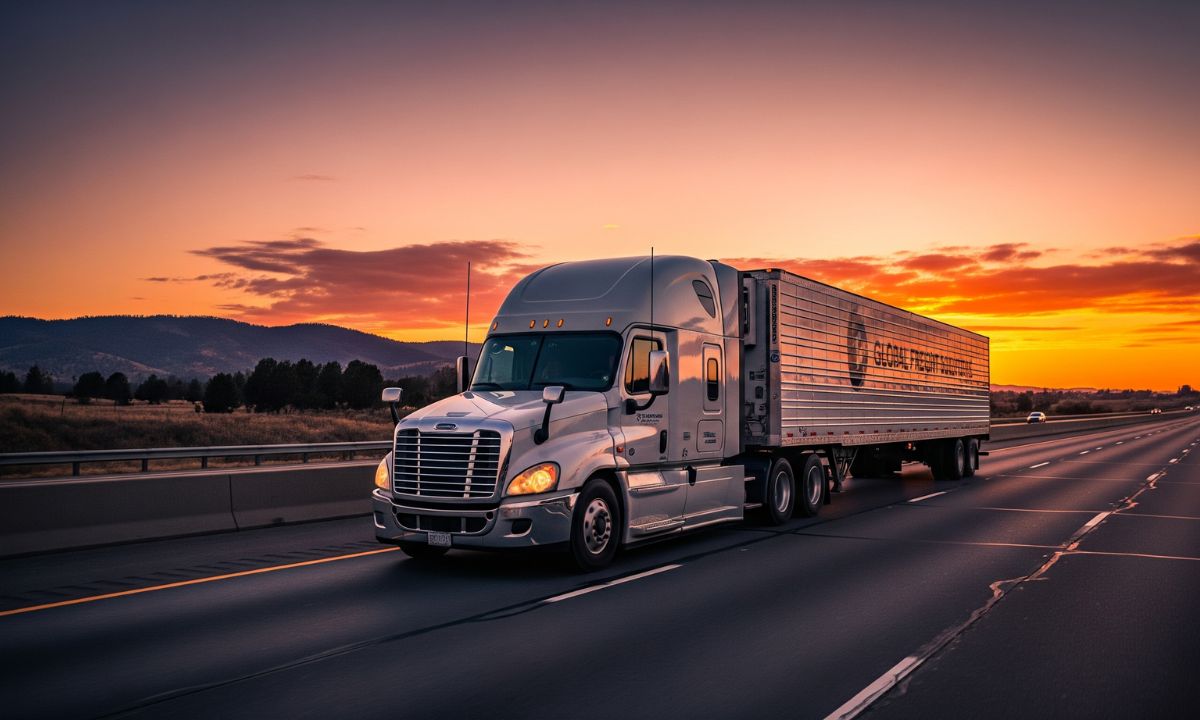
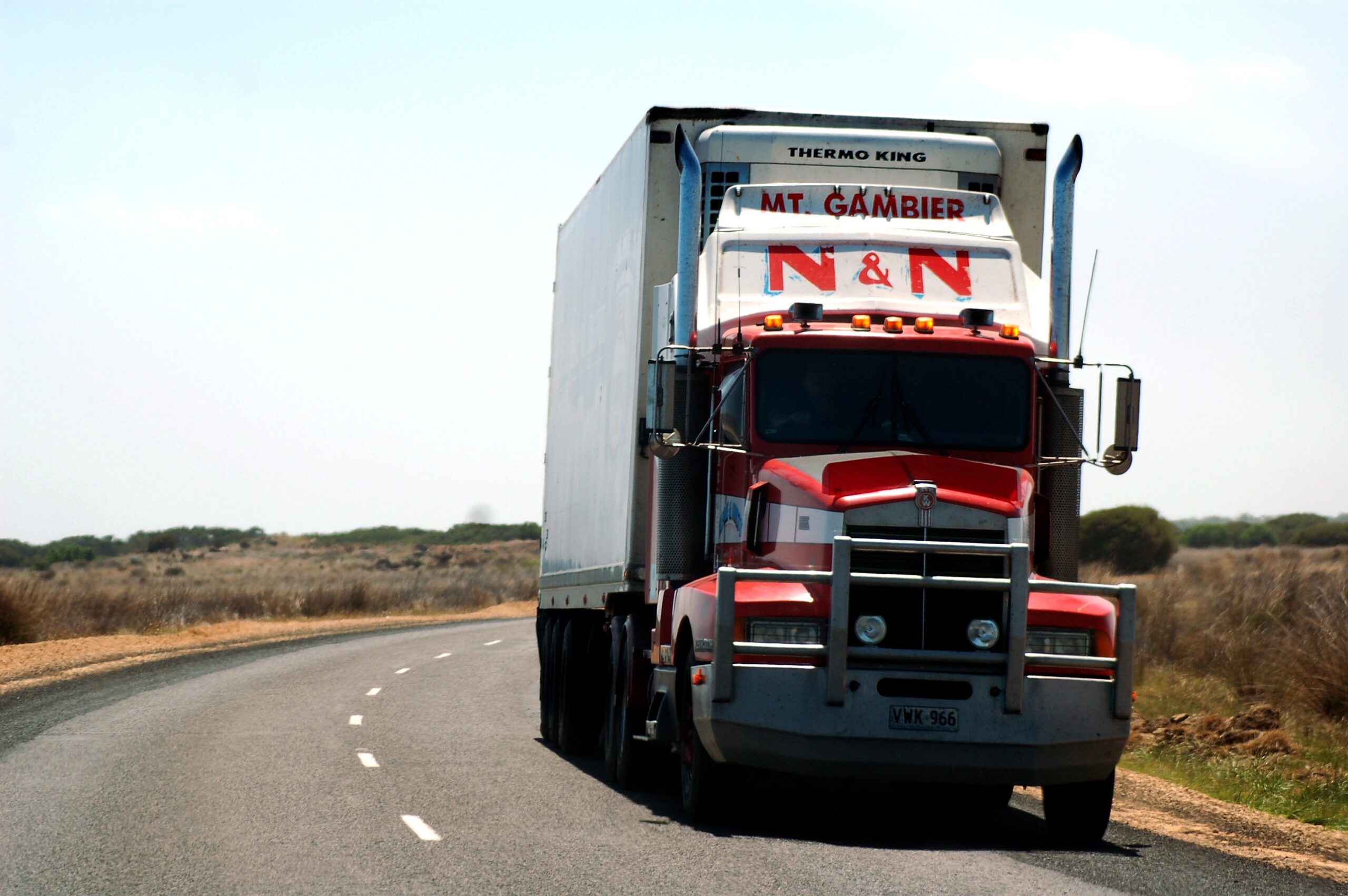
US 31 is also a pretty key freight path for commercial transportation. Truck operators should monitor Trucking Regulations, seasonal limitations, and work-zone advisories, especially if your load is oversized or your vehicle is subject to stricter rules. A little planning goes a long way, it helps fleets stay compliant without piling up downtime. Many transportation companies lean on route optimization and traffic tracking systems, because it boosts delivery reliability. Knowing regional requirements and roadway restrictions can keep carriers from unnecessary violations, fines, and delays.
Safe Travel Practices on US 31
When you’re approaching work zones, merging areas, or high-volume intersections, you need to stay sharp. Using Travel Safety Tips—like keeping a safe following distance, obeying posted speed limits, and being extra cautious near lane shifts—helps everyone on the road. Defensive driving matters even more in busy stretches, because it reduces the chance of a collision when traffic is dense. Also, regular vehicle checks, tires, brakes, lights, and general maintenance, play an important role in safer highway travel.
Plan Your Route Before You Go
Before you hit the road, use solid Route Planning tools to review traffic movement, weather signals, construction alerts, and alternate routing options. If your trip is planned well, you can often cut travel stress, improve fuel efficiency, and make the whole ride feel more predictable. People who prepare in advance usually handle unexpected roadway issues better. Taking a moment to review route info before departure can save time too, and keep the trip from turning into a last-minute scramble on US Route 31.