



I-29 Road Conditions: Essential Travel Information for Drivers and Truckers
Interstate 29 (I-29) is this major north-south route that runs from Kansas City, Missouri, all the way up to the Canadian border in North Dakota. It’s basically a big transportation spine for commercial trucking, farm shipments, and passenger travel too. Before you even start, taking a look at the newest interstate travel information can make a difference, especially when road conditions shift in the middle of nowhere, or during those “oops” weather changes that nobody asked for. Since so many vehicles move through every single day, the highway is kind of a key link for regional business. Knowing what the roadway feels like right now, can help cut down on travel time and also keep everyone safer.
Current I-29 Traffic Conditions
Traffic on I-29 doesn’t stay the same, it swings during the year because commuting peaks, freight volume ramps up, road work happens, and seasonal travel demand shows up. People driving through metro spots like Kansas City, Omaha, Sioux Falls, and Fargo should check I-29 traffic updates ahead of time, so you can spot congestion, wrecks, or lane limits before they surprise you. Usually the heaviest flow shows up around urban interchanges and distribution centers, like clockwork. Watching the traffic reports can help you choose routes with less hassle and fewer unpleasant slowdowns.
Weather Conditions Along I-29
Weather is probably the biggest “why are things like this” reason behind I-29 road conditions. Winter storms, snow buildup, freezing rain, and strong gusts can hit hard across Missouri, Iowa, South Dakota, and North Dakota. Travelers can rely on Midwest weather forecasts so they can track those changes, plan a calmer trip, and avoid getting stuck in slick stretches. In winter especially, seasonal patterns can create sketchy driving situations fast. Checking the forecast before you go out can reduce the chance of weather related travel problems, even if you’re just rolling a short distance.
Construction Zones and Highway Improvements
Transportation agencies keep pouring money into upgrades along Interstate 29, mostly to improve safety and overall traffic movement. Construction work might include bridge fixes, pavement reworking, lane additions, and interchange improvements. Looking at highway construction updates helps drivers anticipate lane closures, detours, and those temporary traffic shifts that feel longer than they are. These improvements are made for safety, but also to handle growing traffic volumes and long-run economic growth. If you plan around work zones, the trip tends to be smoother and more predictable.
Trucking and Freight Transportation on I-29
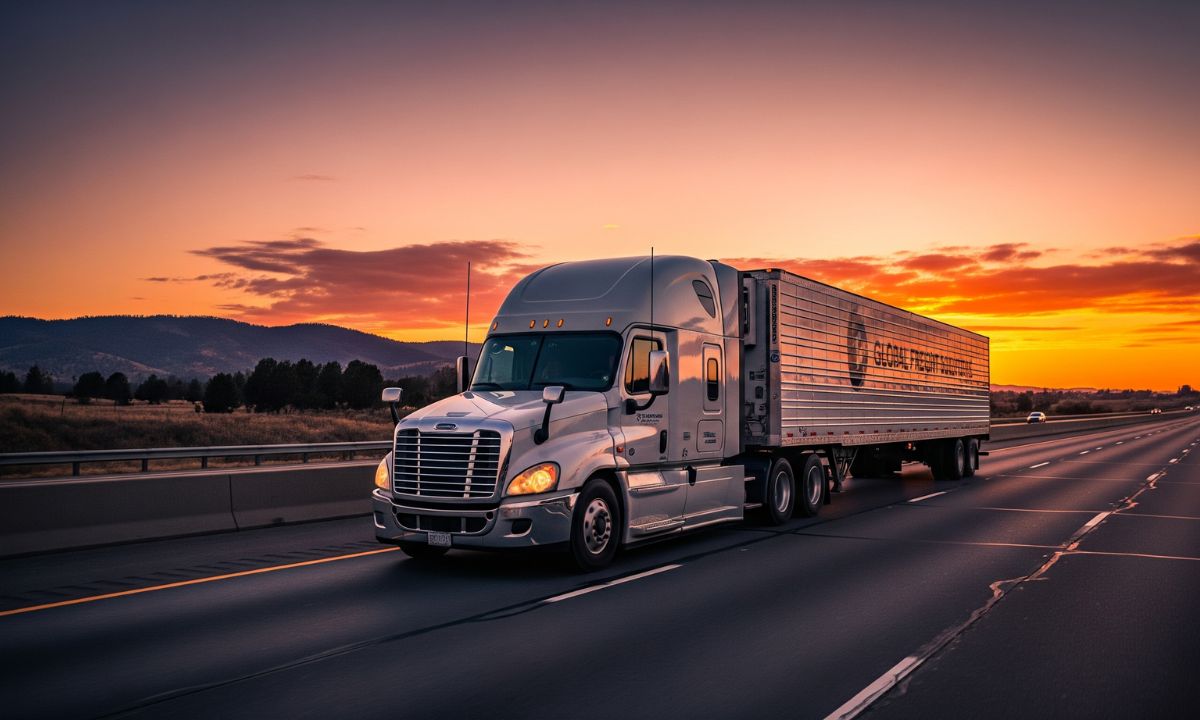
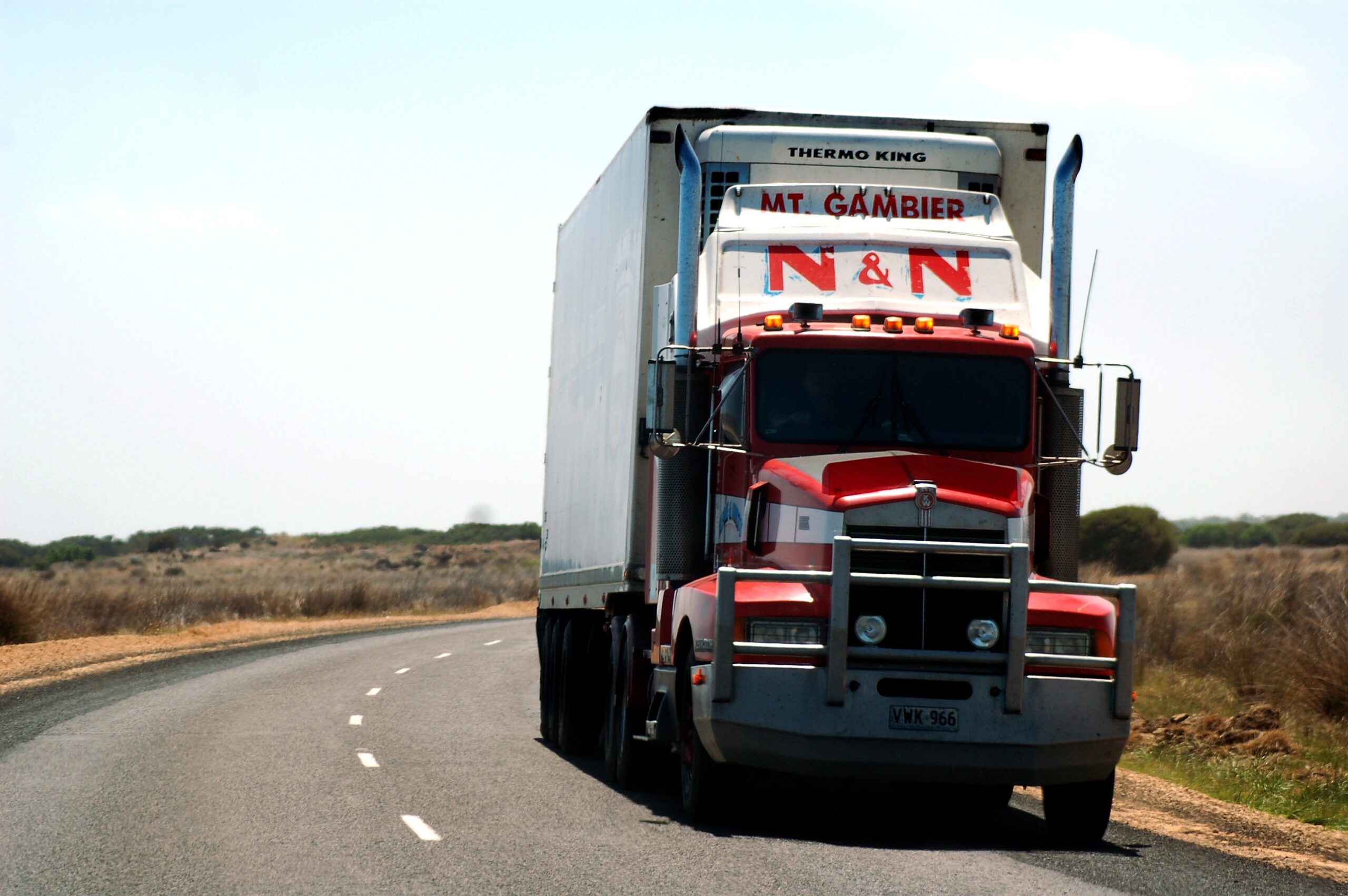
I-29 is central for moving agricultural and commercial freight through the Midwest. The corridor links grain areas, manufacturing hubs, distribution sites, and those wider international trade connections. Many professional drivers use truck route planning tools so they can keep track of road conditions, find parking options, and understand route restrictions. This interstate is still a major piece of the national freight system. Solid road info helps carriers stay on schedule and keep operations running without constant reroutes.
Cities and Communities Along Interstate 29
The interstate gives access to a bunch of major cities, including Kansas City, St. Joseph, Council Bluffs, Omaha, Sioux City, Sioux Falls, Fargo, and Grand Forks. These cities pull in big traffic numbers and a lot of economic activity. Travelers should also check real-time road conditions near the communities, so delays and advisories don’t sneak up on you. Many of these areas function as regional logistics centers, which means commercial traffic tends to be substantial. When you understand local traffic patterns, trip planning becomes easier and route selection gets more accurate.
Safety Tips for I-29 Travel
Driving safely on I-29 means staying aware of weather shifts, work zones, and how traffic flows that day. Drivers should keep proper following distance, obey posted speed limits, and watch for travel advisories as they come up. For commercial vehicle operators, it helps to consult commercial trucking safety guidance and complete detailed vehicle inspections before any long-distance haul. Defensive driving matters even more when conditions get rough, like during wind, snow, or icy rain. Being sharp and ready can lower the odds of roadway incidents quite a lot.
Resources for Monitoring I-29 Road Conditions
Having dependable info makes trips more efficient, and usually safer too. A lot of drivers use 511 systems, weather forecasts, traffic cameras, and state department resources to track what’s happening on the road. Checking live traffic cameras and official travel alerts before departure can help you spot closures, severe weather areas, and construction delays early. Real-time details let drivers respond quickly when conditions change. Also, using multiple sources tends to give a more complete picture of what you’re walking into.
Conclusion
Interstate 29 remains one of the Midwest’s most important transportation corridors, connecting communities, businesses, and freight networks across multiple states. By monitoring traffic reports, weather forecasts, construction updates, and safety advisories, travelers can make informed decisions and enjoy a smoother journey. Staying current with I-29 road conditions helps drivers avoid unexpected disruptions and maintain safer travel experiences. Regular trip planning and access to accurate information are essential for successful journeys along this vital interstate route.