



Interstate Highway I-5 Road Conditions: Complete Guide for Drivers & Truckers
Understanding Interstate 5 and Its Importance
Interstate 5 (I-5) serves as the main north-south highway that connects the entire western coastline of the United States starting from San Diego and passing through Los Angeles and Sacramento until it reaches Seattle. The route serves as a main interstate freight corridor which connects essential ports with agricultural areas and urban distribution centers. The I-5 monitoring system needs to track its condition because its vast coverage requires continuous observation to support effective logistics operations and travel scheduling.
Current Road Conditions and Traffic Patterns on I-5
I-5 experiences high traffic volumes, urban congestion, and long-distance freight movement, especially in major metro areas like Los Angeles and Seattle. The main commuting periods create multiple obstacles for drivers who must deal with stop-and-go traffic, accident-related delays, and lane restrictions. The absence of urban features allows for faster driving while drivers must remain cautious because heavy truck activity can trigger emergency stops.
Construction Zones and Infrastructure Projects
The California Department of Transportation and Washington State Department of Transportation lead multiple state agencies in their continuous efforts to improve I-5 infrastructure. The construction sites will create multiple travel obstacles by implementing lane closures, detours, reduced speed limits, and nighttime work schedules which will affect travel times through all affected areas.
Weather Conditions Affecting I-5 Travel
I-5 experiences different weather patterns because of its extended distance. The Pacific Northwest experiences heavy rain while California’s Central Valley has fog and the mountain passes including Siskiyou Pass face snow. The weather conditions create situations that decrease visibility while making driving conditions dangerous.
Trucking Traffic and Freight Movement on I-5
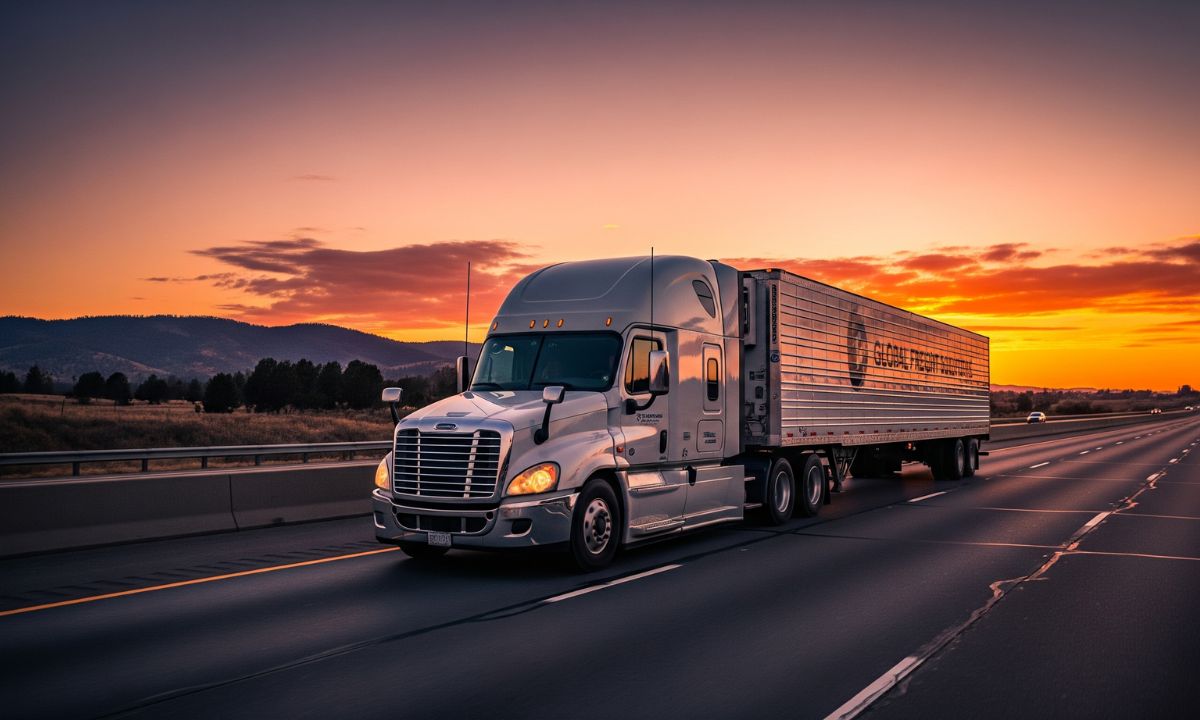
I-5 serves as a principal highway for freight transportation, supply chain logistics, and agricultural distribution. The highway provides access to essential shipping ports and distribution centers which results in commercial trucks and fleet operators using it as a main route. The areas surrounding urban centers create driving challenges because drivers must deal with weigh stations, inspection points, and heavy truck congestion.
Fuel Stops, Rest Areas, and Driver Services
Along I-5 drivers have access to multiple facilities which include truck stops, rest areas, fuel stations, and service plazas. The locations exist to assist long-haul drivers while they need to fulfill their Hours of Service (HOS) regulations requirements. Major stops are concentrated near cities and interstate junctions.
Safety Tips for Driving on I-5
Driving on I-5 requires defensive driving techniques and constant awareness. Drivers should maintain adequate following distances while watching their blind spots and using Google Maps and Waze for live traffic alerts. Construction zones and bad weather conditions require drivers to proceed with extra caution for Road Safety.
Best Times to Travel on I-5
Traffic patterns vary by region, but generally:
- Early mornings and late evenings offer lighter traffic flow
- Significant traffic jams develop between 6 AM to 10 AM and 3 PM to 7 PM.
- The main urban areas experience increased travel delays during weekends and public holidays because of their heavy visitor traffic.
Traveling outside peak hours results in better fuel economy and faster delivery times.
Why Monitoring I-5 Road Conditions Matters for Trucking Businesses
I-5 conditions have a direct impact on delivery schedules, fuel costs, and operational efficiency for trucking companies. The monitoring system enables companies to decrease their waiting time while improving their freight transportation routes and reducing their unproductive travel distance. Organizational effectiveness leads to businesses achieving higher profitability and improved customer satisfaction.
Final Thoughts
Interstate 5 serves as the United States’ most vital highway for both long-distance travel and freight movement. Travelers who stay informed about traffic updates, weather alerts, and construction activities will have safer and more efficient trips. The successful navigation of I-5 requires proper strategic planning.