



Interstate 20 (I-20) Road Conditions Guide
One of the most important east-west freight corridors in the southern United States is Interstate Highway I-20, travel updates, traffic insight, and safety information on the road proffered in the Interstate 20 Condition Guide to drivers, commuters, and trucking professionals. Running from Texas up till South Carolina, and linking major cities such as Dallas, Shreveport, Jackson, Birmingham, Atlanta, and Columbia, this highway becomes an imperative passage for commercial trucking, interstate travel, logistics operations, and regional economic activity. Hence, being apprised of situations like traffic congestions, weather conditions, construction projects, and freight movement, further assists to devise more comfortable and safe experiences while traveling.
The Significance of Interstate 20 Highway
It traverses a major east-west transportation corridor in the southern United States; handling much freight transportation, passenger travel, and supply chain logistics. This channel unites major metropolitan areas’ commercial companies and manufacturing regions in Texas, Louisiana, Mississippi, Alabama, Georgia, and South Carolina and remains one of the major trucking channels in the area. I-20 thus provides an important connection to many other major interstates, such as I-10, I-35, I-45, I-55, I-59, I-75, and I-95, further increasing its importance for carrying freight on any cross-country lane.
The Current Road Conditions and Traffic Patterns Along I-20
Traffic conditions on I-20 can be low (light traffic) or high (heavy traffic) equally based on the country’s state time, freight actions, and weather conditions. Rush hours or holiday periods can indeed peak the congestion to Dallas, Birmingham, Atlanta, and major interchanges at times. Times when traffic is generally very low could also see occasional levels of congestion at these points. Many cause-delaying problems for the driver, which include speed reduction causing bursts of traffic, congestions, accident-related delays, lane restrictions, and merging traffic during rush hours. Additionally, urban corridors result in very high traffic density from passenger vehicles and commercial trucks, while in rural areas, traffic conditions tend to be very low. Being aware of traffic alerts and real-time road conditions, a driver can make the journey faster and better time-wise.
Work Zones and Infrastructure Projects
Recent changes in design and widening or maintenance, bridge repair, interchange upgrading, resurfacing projects, and lane expansion work rendered constant undefined conditions to I-20. These would include lane blockages (temporarily), detours, speed reduction zones, diversions, off and on ramps, road shoulder closures, merging into lanes, oncoming traffic, and large hauls of stuff (especially metal beams for bridges) blocking the road near any city or in-between states.
**Driver behavior should include accuracy, following current operations signals, understand the rules of the road, concentration, and preparedness for abrupt stupidity on the part of other drivers, watch out for any delays at all times, and more outburst. Staying current on construction schedules and updates and wares on the road attract proper planning for their trip.Can be seen on the left or right sidebar is an HTML entity that can be dropped down over the information as follows-.
Weather influencing the status of the route along I-20
In Texas and parts of the southeastern United States, the weather and I-20 throughputs rain, severe thunderstorms, fog, strong winds, and tornadoes; and ice on cloudless days during the winter and sunshine? aggressive thunderstorms occur to bring about flash floods during the onset of spring and winter, a threatening menace to all driving and transportation. It is important to note that extreme heat with cargo loads may have progression-effect over performance and weariness of vehicles and of course, lousy nature of tire performance related issues.`The road might be ice covered in the south, the snow melts, or it would become an inefficient working environment. In the southeastern parts of the U. S., typhoons start to change weather conditions in the summer for bad. Weather forecast checking and emergency travel advisories are key for safe driving on this 1,495-mile corridor.
Trucking Traffic and Freight Movement on I-20
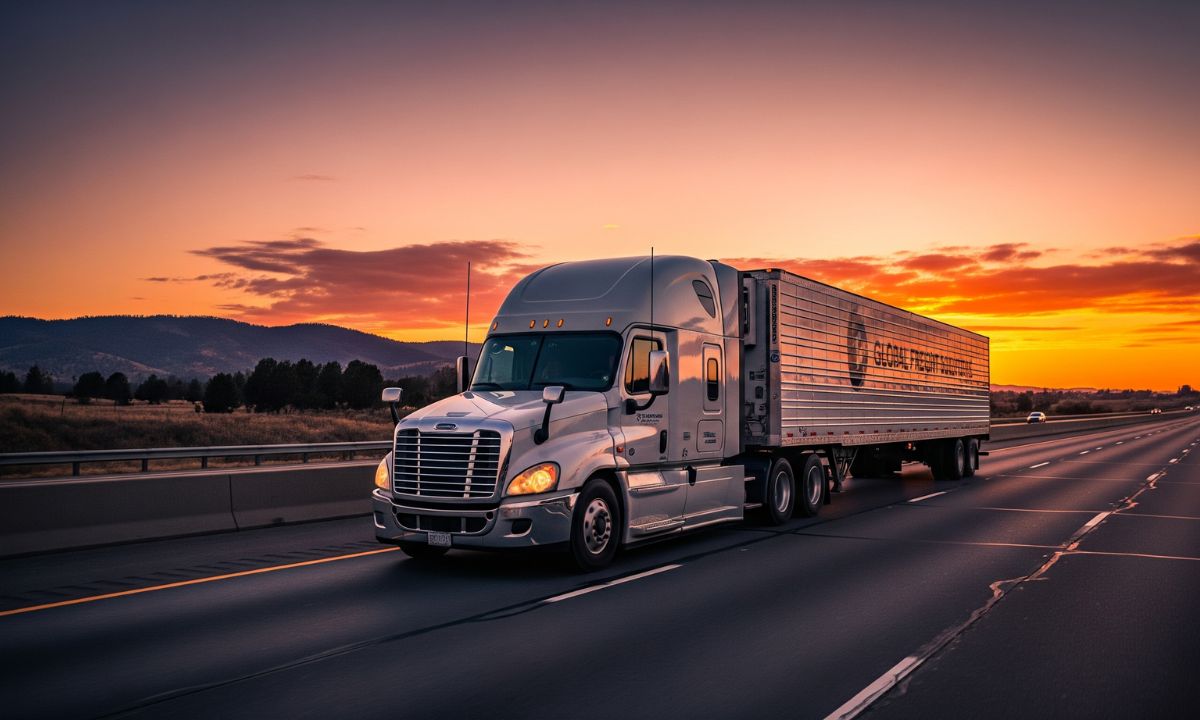
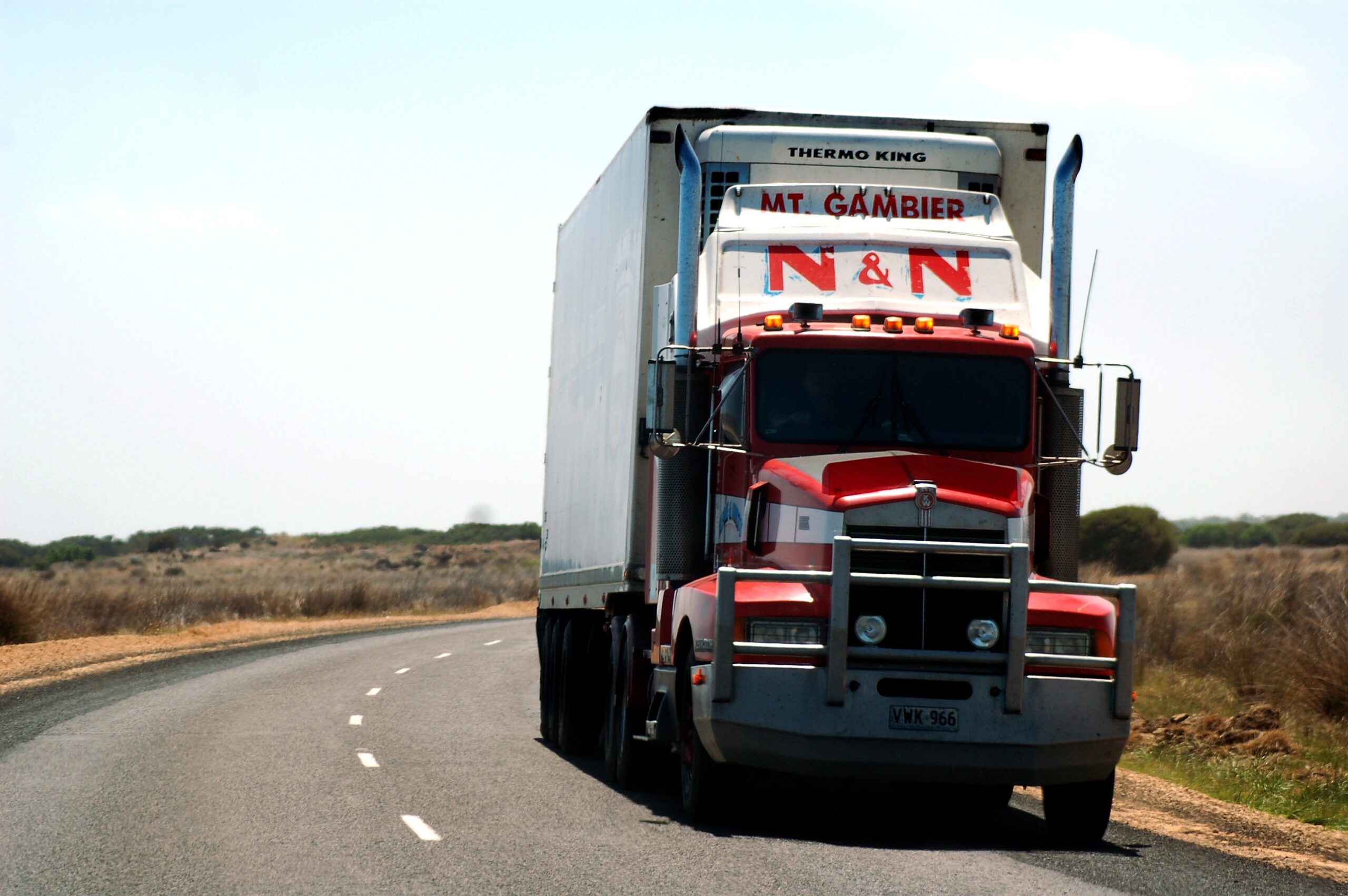
It is a frequent haunt of commercial trucking, freight transportation, and logistics operations throughout the southern United States, one of the most crowded areas. Daily I-20 witnesses thousands of trucks carrying consumer goods, industrial raw materials, agricultural products, retail shipments, and manufacturing equipment from distribution centers and into the interstate freight network. Drivers are confronted with a strong presence of truck traffic on I-20, freight congestion, weigh station activity, or increased merging traffic around commercial-industrial zones and major metropolitan regions. Efficient routing based on first-hand knowledge from the trucker with existing road conditions is imperative to deliver shipments on time while maintaining the reliability of the supply chain to a customer.
Fuel stops, Rest Areas, and Driver Services
I-20 offers numerous truck stops, fuel stations, service plazas, repair facilities, rest areas, convenience stores, and dining options throughout the route, particularly near larger cities and major trucking corridors. However, some rural stretches may still have limited services available, making it important for drivers to plan fuel stops and rest breaks strategically. Trucking professionals should also comply with Hours of Service (HOS) regulations and schedule adequate rest periods to maintain roadway safety and operational efficiency during long-distance travel.
Safety Tips for Driving on I-20
The necessary safety measures for I-20 driving require drivers to understand traffic patterns, freight operations, severe weather conditions, and active construction work across different states and driving environments. Drivers should keep safe following distances, watch their blind spots, refrain from distracting activities, and use Google Maps and Waze for their real-time traffic information and alternative route recommendations. Drivers must exercise additional caution during heavy rain, nighttime driving, and urban traffic, as well as near construction sites, which create unexpected traffic pauses and visibility problems. The combination of defensive driving skills and vehicle upkeep work together to minimize vehicle accident chances.
Best Times to Travel on I-20
I-20 experiences its least traffic delays between early morning hours and late evening times, which includes mid-week travel periods. The heavy traffic conditions emerge during the weekly peak traffic periods from Dallas to Birmingham and Atlanta, which continue through both weekend days and public holiday travel times. Daytime freight operation periods generate increased commercial trucking activity, which results in higher traffic volume for that time period. The use of off-peak travel times leads to shorter delays while drivers achieve better fuel consumption results and experience more comfortable driving conditions.
Impact of I-20 Road Conditions on Trucking Businesses
The operation of trucking companies depends on current I-20 road conditions, which determine their freight delivery schedules and fuel costs, as well as their entire logistics operations across the southern transportation network. Traffic congestion and severe weather and construction zones and accident-related delays create higher operational expenses for carriers and logistics companies, which further decrease their delivery reliability. Businesses that utilize real-time GPS tracking, traffic analytics, and route optimization systems can better manage freight movement, reduce empty miles, and improve overall fleet productivity. The profitability of trucking operations requires implementation of effective planning methods and continuous traffic condition observation.
Final Takeaway
The Interstate 20 highway remains one of the most important transportation corridors for regional travel, commercial trucking, and interstate freight movement across the southern United States. Drivers must sustain their ability to handle traffic delays, unpredictable weather, construction activities, and high volumes of truck traffic throughout the entire journey. The combination of proper trip planning and defensive driving and real-time road condition updates empowers both travelers and trucking professionals to achieve a safer, smoother and more efficient journey on I-20.