






Interstate Highway I-4 Road Conditions: Complete Guide for Drivers & Truckers
Interstate 4 (I-4) is one of the most heavily traveled highways in Central Florida, connecting major cities like Tampa and Orlando, and extending toward Daytona Beach. This corridor is essential for tourism, freight transportation, and daily commuting, making it a high-priority route for logistics providers and long-haul drivers. Its proximity to theme parks, ports, and distribution hubs makes it a critical artery for regional supply chains and economic activity.
Current Road Conditions and Traffic Patterns on I-4
I-4 is known for heavy congestion, frequent slowdowns, and unpredictable traffic flow, especially in urban areas like Orlando and Tampa. Peak travel times often result in stop-and-go traffic, lane merging issues, and accident-related delays. Drivers should expect higher traffic density due to tourism and commuter overlap.
Construction Zones and Infrastructure Projects
The Florida Department of Transportation continues to invest in major upgrades like the I-4 Ultimate Improvement Project. These developments aim to reduce congestion and improve safety, but ongoing work can cause lane closures, detours, and variable speed limits across different segments of the highway.
Weather Conditions Affecting I-4 Travel
Florida weather significantly impacts I-4 driving conditions. Sudden thunderstorms, heavy rain, and fog can reduce visibility and increase accident risks. During hurricane season, drivers may also face road closures, flooding, and emergency detours.
Trucking Traffic and Freight Movement on I-4
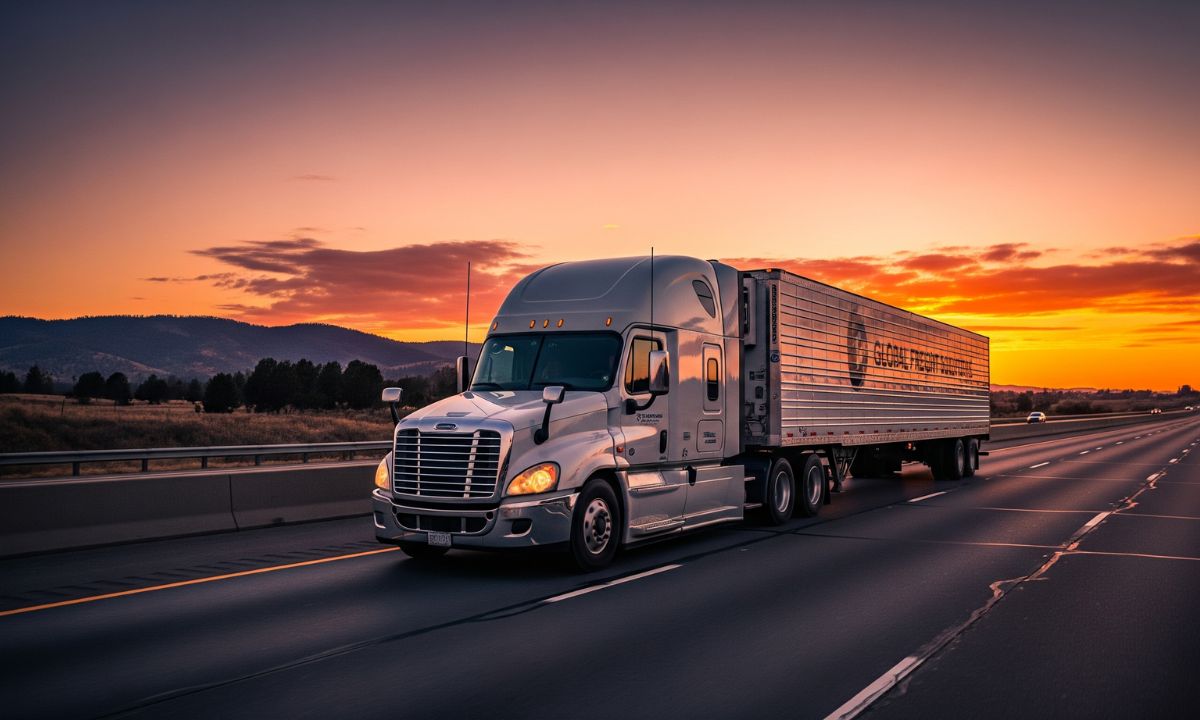
I-4 supports a high volume of commercial trucks, delivery vehicles, and freight carriers, especially due to its connection to logistics hubs and ports. Truckers must navigate dense urban traffic, strict delivery schedules, and limited maneuvering space, particularly in Orlando’s metropolitan area.
Fuel Stops, Rest Areas, and Driver Services
Drivers on I-4 have access to numerous fuel stations, rest areas, truck stops, and food services along the route. These facilities are essential for maintaining compliance with Hours of Service (HOS) regulations and ensuring driver readiness during long hauls.
Safety Tips for Driving on I-4
Due to high traffic density, drivers should maintain safe following distances, avoid aggressive lane changes, and stay updated using navigation apps like Google Maps and Waze. Defensive driving is critical, especially in congested zones and near tourist attractions.
Add Link Here: (driving safety tips)
Best Times to Travel on I-4
Travel timing plays a crucial role in avoiding delays. Early mornings and late nights typically offer lighter traffic conditions, while peak hours (7–10 AM and 4–8 PM) often bring severe congestion. Weekend traffic can also increase due to tourism.
Why Monitoring I-4 Road Conditions Matters for Trucking Businesses
For logistics companies, monitoring I-4 conditions helps optimize route planning, fuel efficiency, and delivery schedules. Real-time traffic insights allow fleets to reduce delays, minimize idle time, and improve overall operational efficiency and profitability.
Interstate 4 is a high-traffic, high-value transportation corridor that requires constant awareness from drivers. By tracking traffic conditions, construction updates, and weather alerts, both commuters and truckers can ensure safer and more efficient travel. Strategic planning is key to navigating I-4 successfully.