





Interstate 16 (I-16) Road Conditions Guide
The Interstate Highway I-16 road conditions guide provides drivers, commuters, and trucking operators with important travel updates, traffic insights, and roadway safety information for travel across central and eastern Georgia. I-16 creates an essential transportation link between Macon and Savannah for businesses that require commercial freight movement, regional travel, port logistics, and interstate connectivity. Drivers who stay informed about traffic congestion, weather conditions, construction activity, and travel delays can use this information to create better route plans that result in safer and more efficient travel.
The Importance of Interstate 16 Highway
The Interstate 16 (I-16) is a major east-west highway in Georgia that links Interstate 75 in Macon to Interstate 95 near Savannah, making it an important corridor for both passenger and commercial transportation. The highway plays a significant role in supporting freight transportation, trucking logistics, tourism, and port-related commerce, especially because it provides direct access to the Port of Savannah, one of the busiest shipping ports in the United States. I-16 serves as a vital transportation route for long-haul truck drivers who move freight between inland distribution centers and coastal shipping facilities, which makes it crucial for both regional economic development and supply chain functions.
Current Road Conditions and Traffic Patterns on I-16
Traffic conditions on I-16 vary depending on location, weather, freight activity, and time of day, with heavier congestion generally occurring near Macon, Savannah, and major interchange areas. Drivers often face traffic slowdowns, merging congestion, construction-related lane restrictions, and accident delays at times when commuter traffic reaches its highest volume, which occurs during peak commuting hours and holiday travel periods. The Port of Savannah truck traffic adds to the eastern section of the interstate, which results in higher traffic volume throughout the area. By using real-time road conditions and traffic updates drivers can avoid delays while achieving more predictable travel times.
Construction Zones and Infrastructure Projects
The Georgia Department of Transportation (GDOT) conducts road maintenance, bridge repairs, interchange upgrades, and lane expansion projects along I-16 which lead to better road safety and increased capacity. The construction of these infrastructure improvements leads to temporary lane closures, detours, reduced speed zones, and shifting traffic patterns that happen mainly near urban areas with heavy traffic and along freight corridors. Drivers must stay vigilant because construction activities may lead to sudden traffic delays which will require them to add extra time for their journey. The process of checking construction schedules and roadway alerts allows travelers to reduce the impact of obstructions while on the road.
Weather Conditions Affecting I-16 Travel
The weather conditions along I-16 are influenced by Georgia’s humid subtropical climate, which can produce heavy rain, thunderstorms, dense fog, strong winds, and occasional tropical storm impacts during hurricane season. Severe weather reduces visibility while making roads slippery and increasing the chances of hydroplaning plus traffic accidents. The dynamic summer weather conditions can lead to extreme heat which negatively affects the operational capabilities of commercial trucks that are carrying substantial freight loads. Drivers should assess weather forecasts and emergency travel advisories before they start their journeys to guarantee safe and efficient road experiences.
Trucking Traffic and Freight Movement on I-16
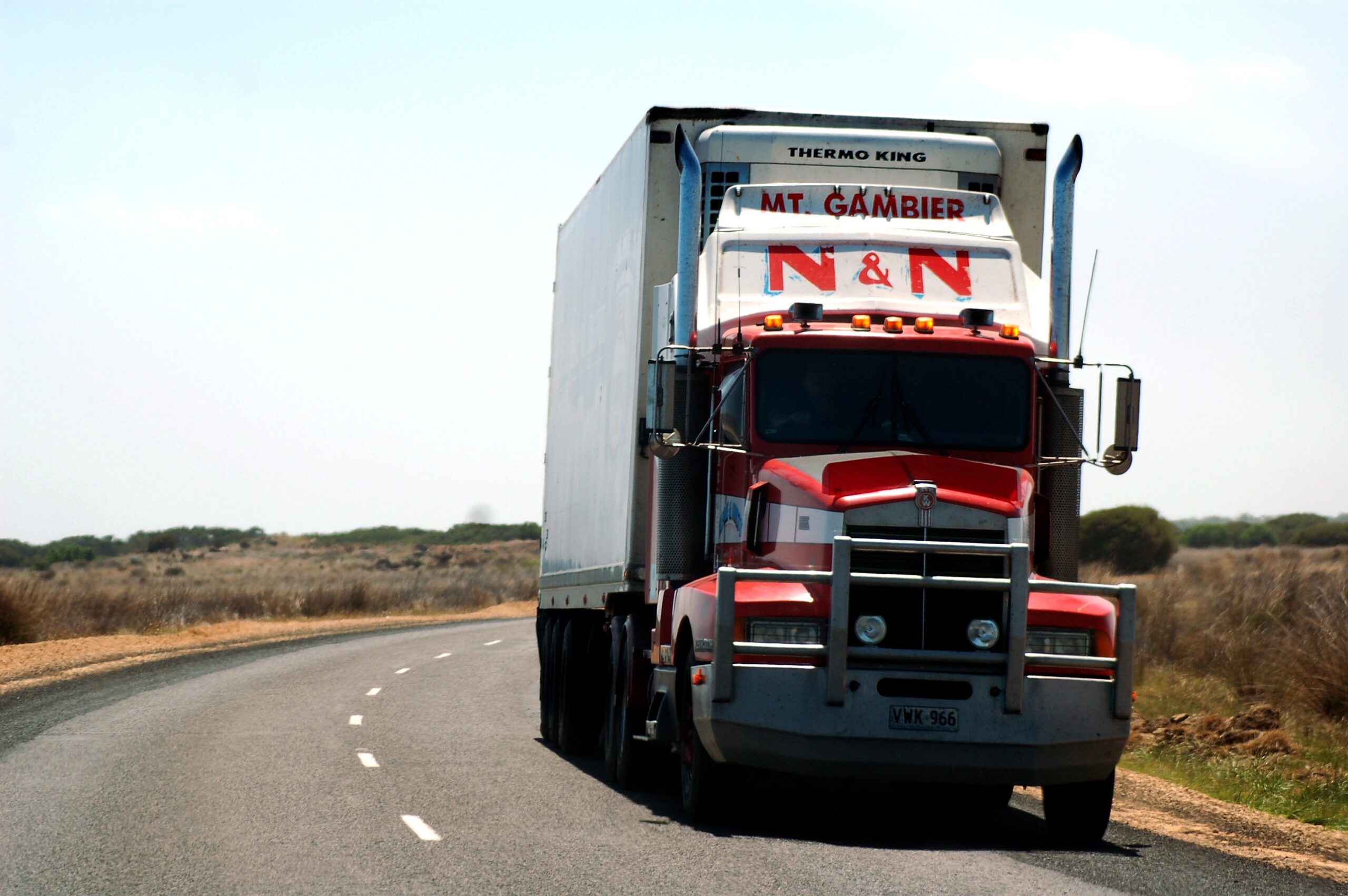
The Interstate 16 corridor serves as a vital transportation link for commercial trucking, freight transportation, and port logistics due to its direct connection to the Port of Savannah. Daily, thousands of trucks travel this route to carry shipping containers and retail goods and industrial equipment and agricultural products throughout Georgia and its neighboring states. The area near logistics hubs and industrial areas will experience heavy truck traffic, merging freight vehicles, and weigh station activity which will contribute to increased congestion. The effective delivery schedule maintenance requires transportation operators to plan their routes while keeping up-to-date with current traffic conditions.
Fuel Stops, Rest Areas, and Driver Services
I-16 offers drivers access to multiple truck stops, fuel stations, convenience stores, repair facilities, rest areas, and food services which they can find close to major cities and main interchanges. The rural stretches between Macon and Savannah provide limited service options which compel drivers to plan their fuel stops and rest breaks ahead of time. Trucking professionals must adhere to Hours of Service (HOS) regulations while they plan their rest periods to ensure safe operations on long-distance drives.
Safety Tips for Driving on I-16
The highway requires safe driving through I-16 which needs drivers to understand the present situation of traffic and weather conditions and freight transportation and construction work throughout the entire corridor. Drivers should maintain safe following distances, monitor blind spots carefully, avoid distracted driving, and use navigation tools such as Google Maps and Waze for live traffic updates and alternate route suggestions. Drivers need to exercise additional caution when they operate their vehicles through heavy rainfall, nighttime travel, and construction zones, which can create sudden traffic halts and visibility problems. Drivers who use defensive driving techniques will experience fewer accidents while they maintain safer road environments.
Best Times to Travel on I-16
The best times to travel on I-16 are generally during early morning hours, late evenings, and non-peak weekday periods, when traffic congestion is lighter and travel conditions are more stable. The busiest traffic times occur at Savannah port areas and Macon interchanges, which experience maximum traffic between weekday rush hours and freight transportation operational periods. The holiday travel season and tourism periods lead to increased traffic congestion throughout the corridor. Driving during off-peak hours helps decrease waiting times during travel while improving fuel consumption and creating better overall driving conditions.
Impact of I-16 Road Conditions on Trucking Businesses
The I-16 road conditions affect all aspects of trucking operations which include freight delivery times and fuel expenses and logistics efficiency throughout Georgia’s transportation system. Drivers face shipment delays and operational cost increases which are caused by traffic jams combined with severe weather and construction sites and increased port-related freight traffic. Companies who use real-time GPS tracking and route optimization systems and live traffic monitoring tools will achieve better delivery schedule management while reducing empty miles and boosting their entire fleet operational efficiency. Route planning becomes vital for businesses because it helps them achieve both their financial goals and their duty to provide reliable freight delivery.
Final Takeaway
The Interstate 16 highway remains an important transportation corridor for regional travel, freight movement, and port connectivity across Georgia. Drivers need to prepare themselves for traffic congestion, changing weather conditions, construction activity, and heavy truck traffic which they will encounter during their drive on this highway. Travelers and trucking professionals can achieve a safer, smoother, and more efficient experience on I-16 through their use of proper trip planning and defensive driving techniques and real-time road condition updates.