


Interstate Highway I-8 Road Conditions: Quick 5-Minute Guide for Drivers & Truckers
Understanding Interstate 8 and Its Importance
Interstate 8 (I-8) operates as a highway which connects San Diego with Casa Grande through an east-to-west route across Southern California and Arizona. The highway serves as a vital connection point which facilitates cross-border trade operations, regional freight movement activities, and desert travel activities in Southern California by connecting agricultural zones, distribution hubs, and ports. Drivers and truckers need to stay informed about road conditions because the highway passes through extended desert areas.
This highway is especially important for drivers looking to avoid congestion on busier routes like Interstate 5. The highway works together with Interstate 2 and Interstate 4 to develop national logistics systems which connect to major freight corridors.
Current Road Conditions and Traffic Patterns on I-8
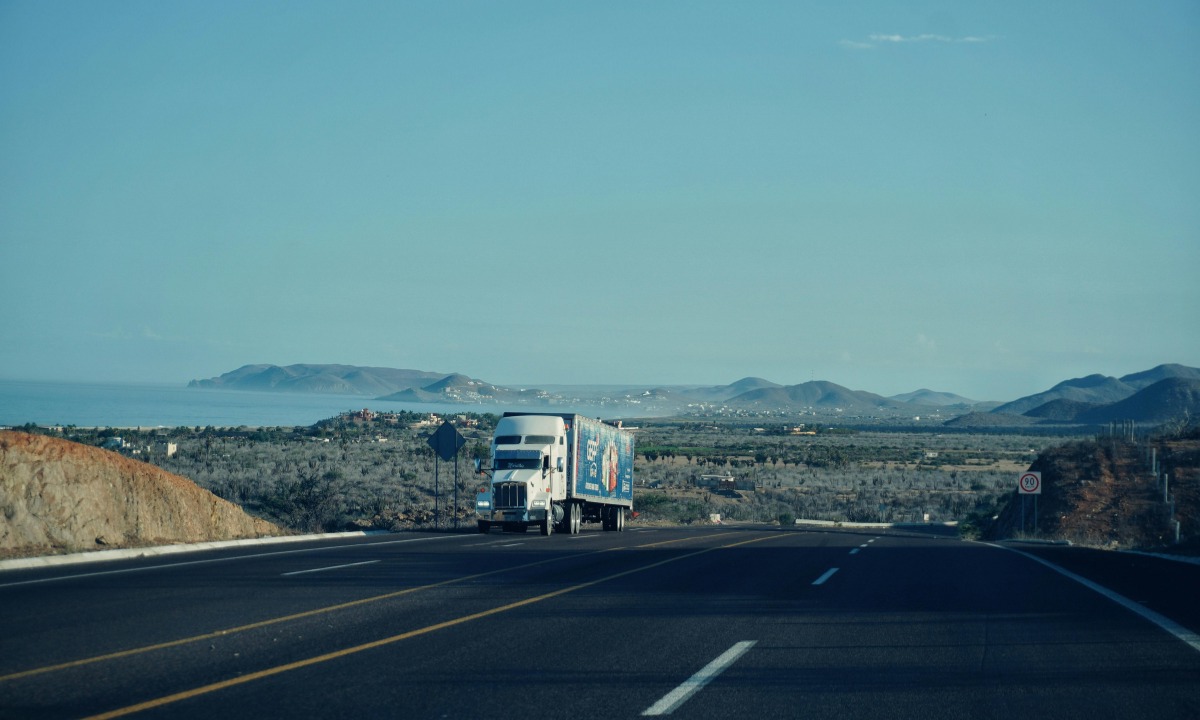
I-8 operates at moderate traffic levels which are below those of major interstates, although traffic patterns can change throughout the day. The highway experiences three types of traffic conditions with San Diego traffic jams, fast-moving light traffic on desert roadways, and traffic delays which occur when accidents happen. The highway runs through long rural stretches which provide uninterrupted travel but lack essential services.
I-8 provides better driving conditions than Interstate 5, yet drivers need to organize their routes because the highway has fewer transportation facilities. Drivers will experience reduced traffic on urban highways when they drive Interstate 4.
Construction Zones and Infrastructure Projects
Travel routes experience disruptions because the California Department of Transportation and Arizona Department of Transportation conduct maintenance work and system upgrades. Travelers will encounter lane restrictions which include both detour routes and reduced driving speeds through various sections. Construction activities will take place in both day and night periods across remote regions.
Weather Conditions Affecting I-8 Travel
Weather conditions have a significant impact on the I-8 highway system, particularly in desert and mountain areas. Drivers will encounter severe weather conditions which include extreme heat in Arizona and California deserts, sudden sandstorms, and snow at higher elevations like Laguna Mountains. The weather produces conditions which diminish visibility and road safety.
Trucking Traffic and Freight Movement on I-8
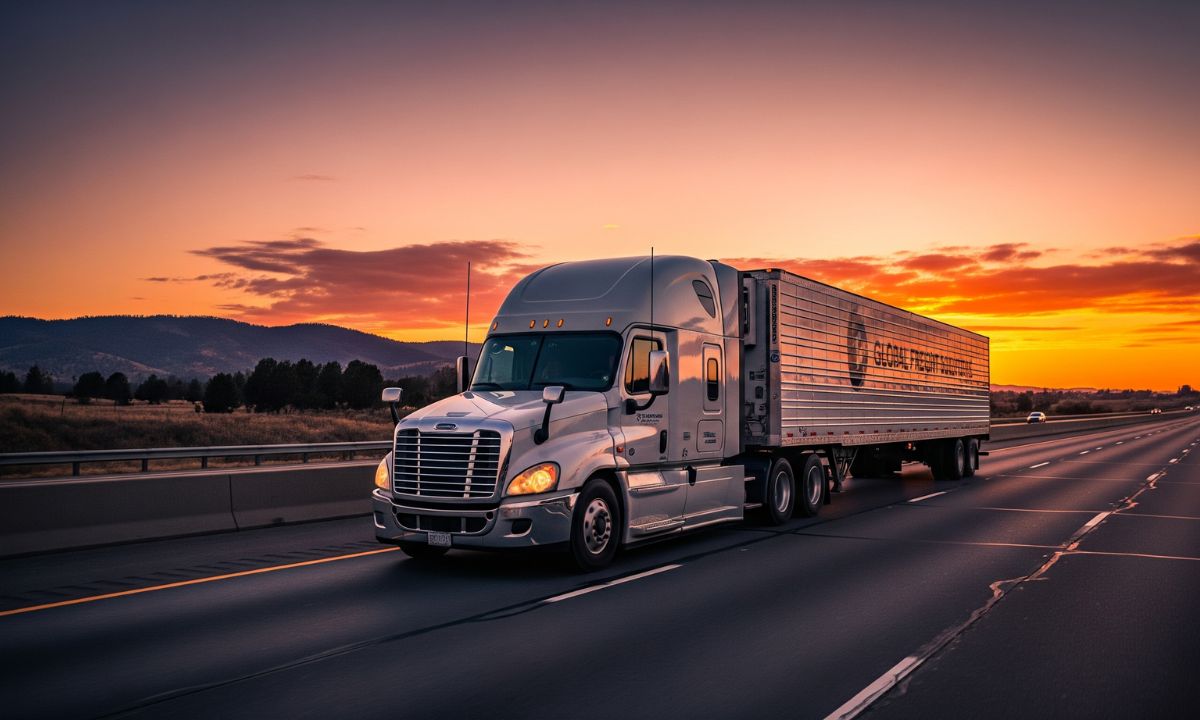
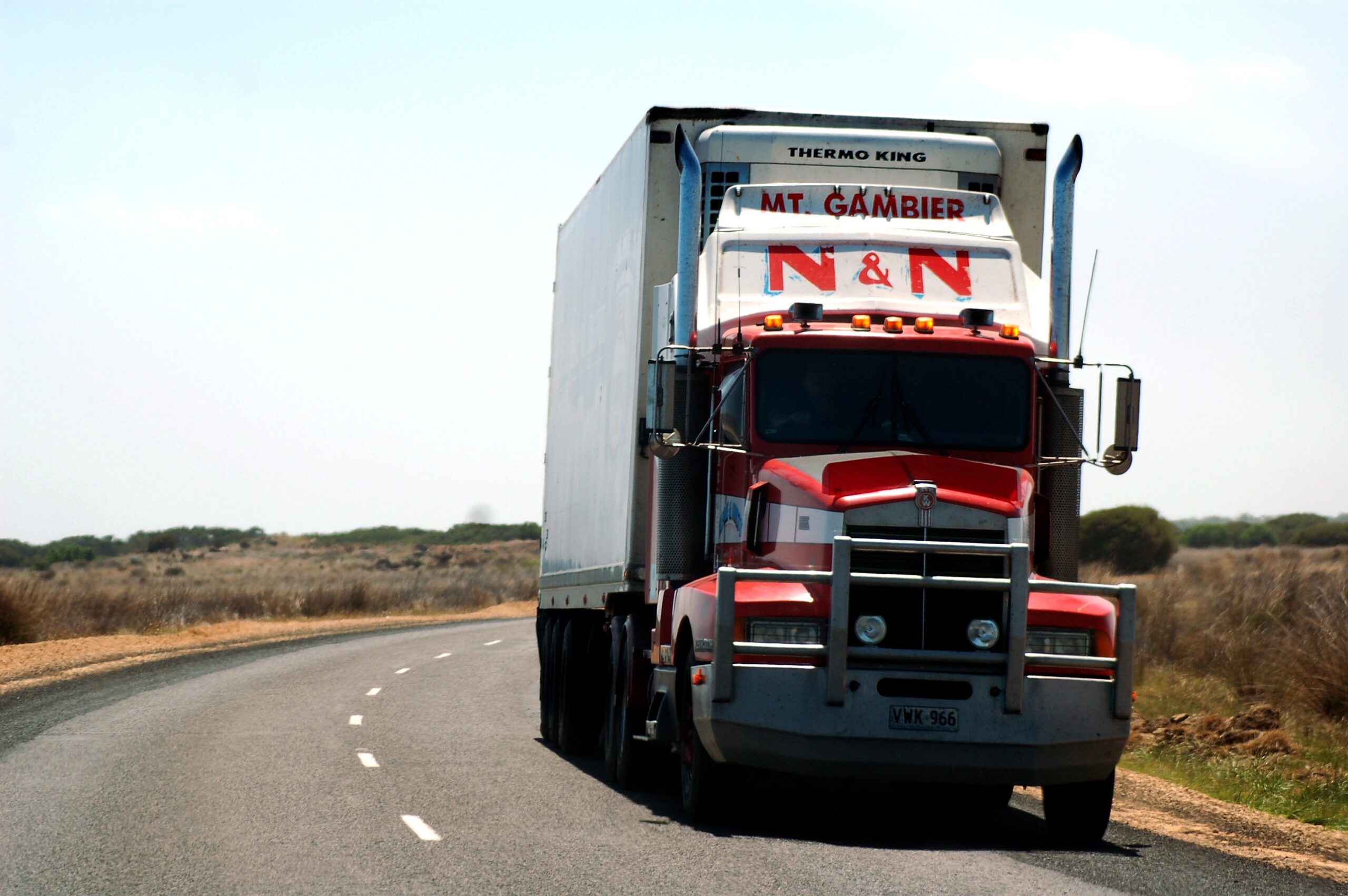
I-8 serves as a vital transportation route which enables both regional freight transportation and cross-border trucking activities, particularly in California’s border regions. The highway experiences commercial truck congestion which includes inspection operations and freight activities at border crossings. The transportation route handles less traffic than Interstate 5, yet it remains an essential path for logistics operations.
Fuel Stops, Rest Areas, and Driver Services
Drivers need to create travel plans because I-8 offers limited services across its remote desert sections. Major towns provide drivers with access to truck stops and fuel stations and rest areas, but travelers will need to drive long distances between these facilities. Drivers need to make these stops because they are necessary for meeting Hours of Service (HOS) requirements.
Safety Tips for Driving on I-8
Driving on I-8 requires drivers to exercise greater caution because the highway features extended isolated sections and experiences extreme weather conditions. The driver should maintain Road safety speeds while driving, operating the vehicle, and checking blind spots around trucks.. The driver should use navigation applications such as Google Maps or Waze to obtain real-time trip information.
Best Times to Travel on I-8
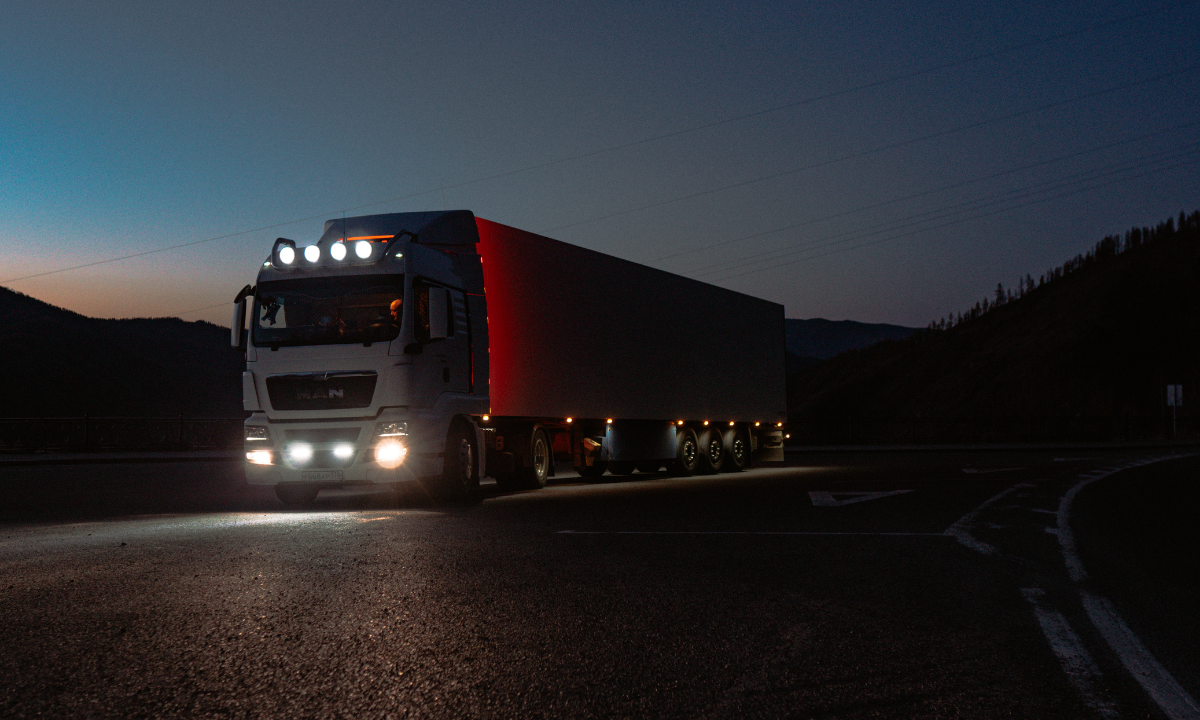
The early morning and evening hours provide drivers with their best driving conditions because these times create safer roads through cooler weather. Daytime travel exposes drivers to dangerous desert heat, which increases the likelihood of their vehicles encountering mechanical failures. Weekend traffic becomes lighter during the day, but it increases near city exits.
Why Monitoring I-8 Road Conditions Matters for Trucking Businesses
Monitoring I-8 road conditions enables trucking companies to minimize delays while enhancing route efficiency and optimizing fuel consumption. Instant weather updates enable fleets to which dangerous weather conditions to avoid while planning their delivery schedule. The operational performance of a business improves when companies begin to use weather forecasting tools.
Final Takeaway
Interstate 8 serves as a vital highway which experiences low traffic volume while providing drivers with a smoother travel experience, but it presents unique challenges because of its extreme weather conditions and its scarcity of accessible services. The highway can function as an effective travel option when drivers plan their trips correctly.
Real-time updates together with intelligent route strategies allow drivers to optimize their safety and efficiency across all highways. Successful long-distance travel depends on effective strategic planning.