



Interstate Highway I-2 Road Conditions: Complete Guide for Drivers & Truckers
Understanding Interstate 2 and Its Importance
The Interstate highway I-2 operates as a crucial freight route that connects South Texas cities McAllen, Pharr, and Harlingen. The highway serves as a crucial route for international border crossers, commercial truck drivers, and local commuters, which makes it one of the most traveled highways close to the U.S.–Mexico border. The road serves an important purpose for international trade routes and supply chain operations, which require constant monitoring of road conditions for drivers.
Current Road Conditions and Traffic Patterns on I-2
I-2 maintains stable road conditions, but traffic congestion and heavy truck traffic create obstacles for effective travel. Urban regions experience peak-hour slowdowns especially in the areas surrounding McAllen and Pharr. During periods of high freight traffic, drivers will experience lane closures, merging traffic, and bottlenecks throughout the area.
Construction Zones and Infrastructure Projects
Texas Department of Transportation works on current improvements to enhance both driver safety and traffic movement throughout the region. Construction zones result in reduced speed limits, detours, and temporary delays, which affect traffic flow. Construction work occurs at night to reduce daytime interruptions, but drivers still need to remain alert.
Weather Conditions Affecting I-2 Travel
Weather conditions determine driving conditions for I-2 drivers at all times. South Texas experiences heavy rainfall, thunderstorms, and occasional flooding, which can reduce visibility and create hazardous driving conditions. High temperatures negatively impact vehicle performance because they especially affect long-haul trucking operations.
Trucking Traffic and Freight Movement on I-2
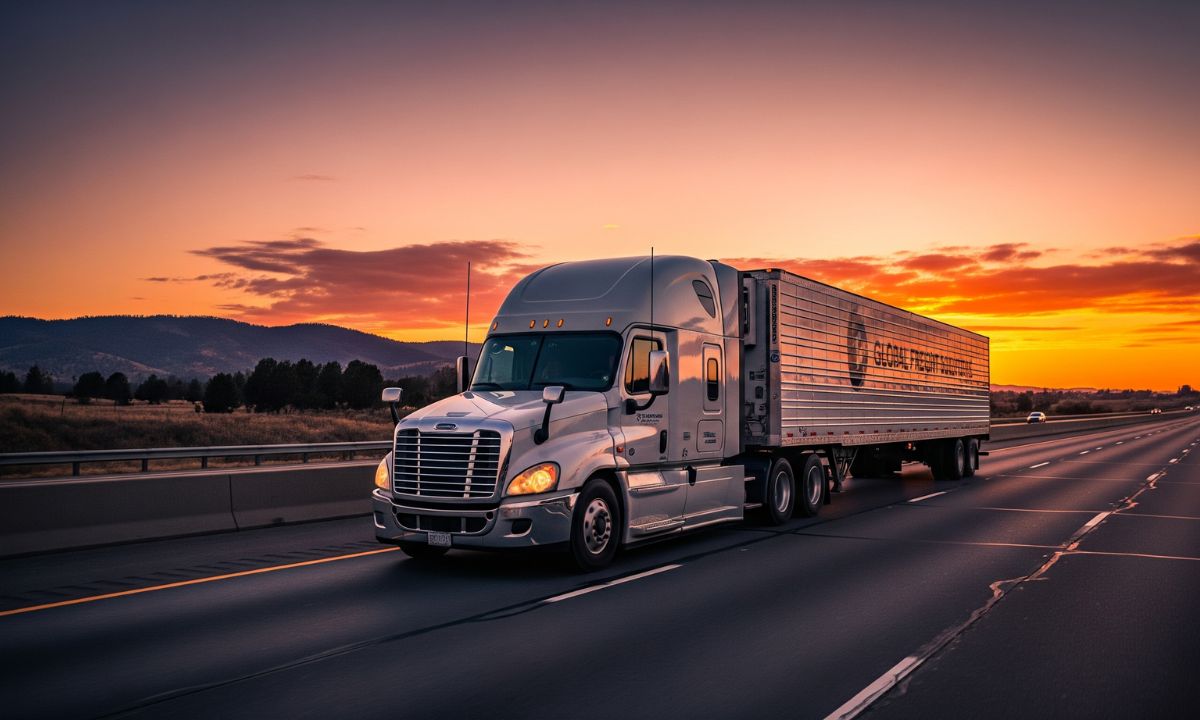
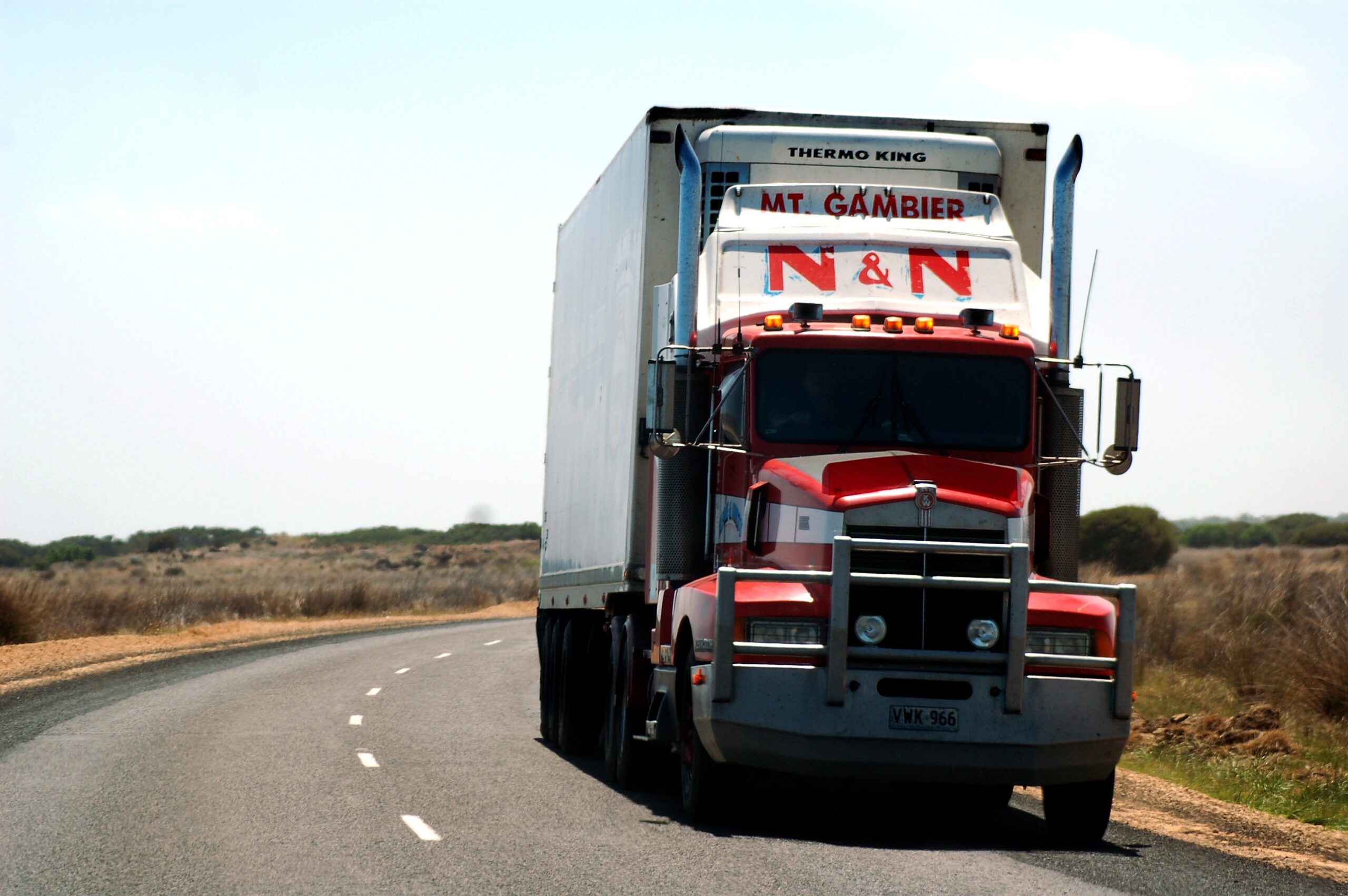
The commercial trucks and freight carriers who operate their own vehicles use I-2 extensively because it connects to border crossings that include the Pharr–Reynosa International Bridge. The period of peak trade activity creates an environment where drivers must expect inspection checkpoints, customs delays, and increased truck density.
Fuel Stops, Rest Areas, and Driver Services
Drivers who travel along I-2 can find multiple truck stops, fuel stations, rest areas, and food services located throughout the area close to major cities. The stops serve as vital locations which help drivers adhere to Hours of Service (HOS) regulations while remaining alert during extended driving periods.
Safety Tips for Driving on I-2
For Road safety must keep safe following distances to safely navigate I-2 while they check blind spots around large trucks and their navigation applications monitor Google Maps and Waze. Drivers must practice defensive driving because of the unpredictable nature of traffic flow and road construction areas.
Best Times to Travel on I-2
I-2 travel time depends mainly on the selected travel schedule. Early mornings and late evenings typically offer reduced traffic congestion, while rush hours (7–9 AM and 4–7 PM) should be avoided. The use of these periods for planning your routes will lead to better delivery performance and reduced fuel consumption.
Final Thoughts
The interstate highway I-2 stands as a major transportation route that connects South Texas with international trade networks. The implementation of traffic updates and weather conditions and construction alerts will assist drivers in achieving safer and more efficient travel experiences. Efficient I-2 travel requires all drivers to undertake strategic travel planning.